Former FBI and DOJ officials identified "clear evidence of indictable government crime" — including evidence planting — in a single federal case.
It links to senior officials President Trump has publicly accused of misconduct against him, including Jack Smith, Merrick Garland, Christopher Wray, and Richard Donoghue.
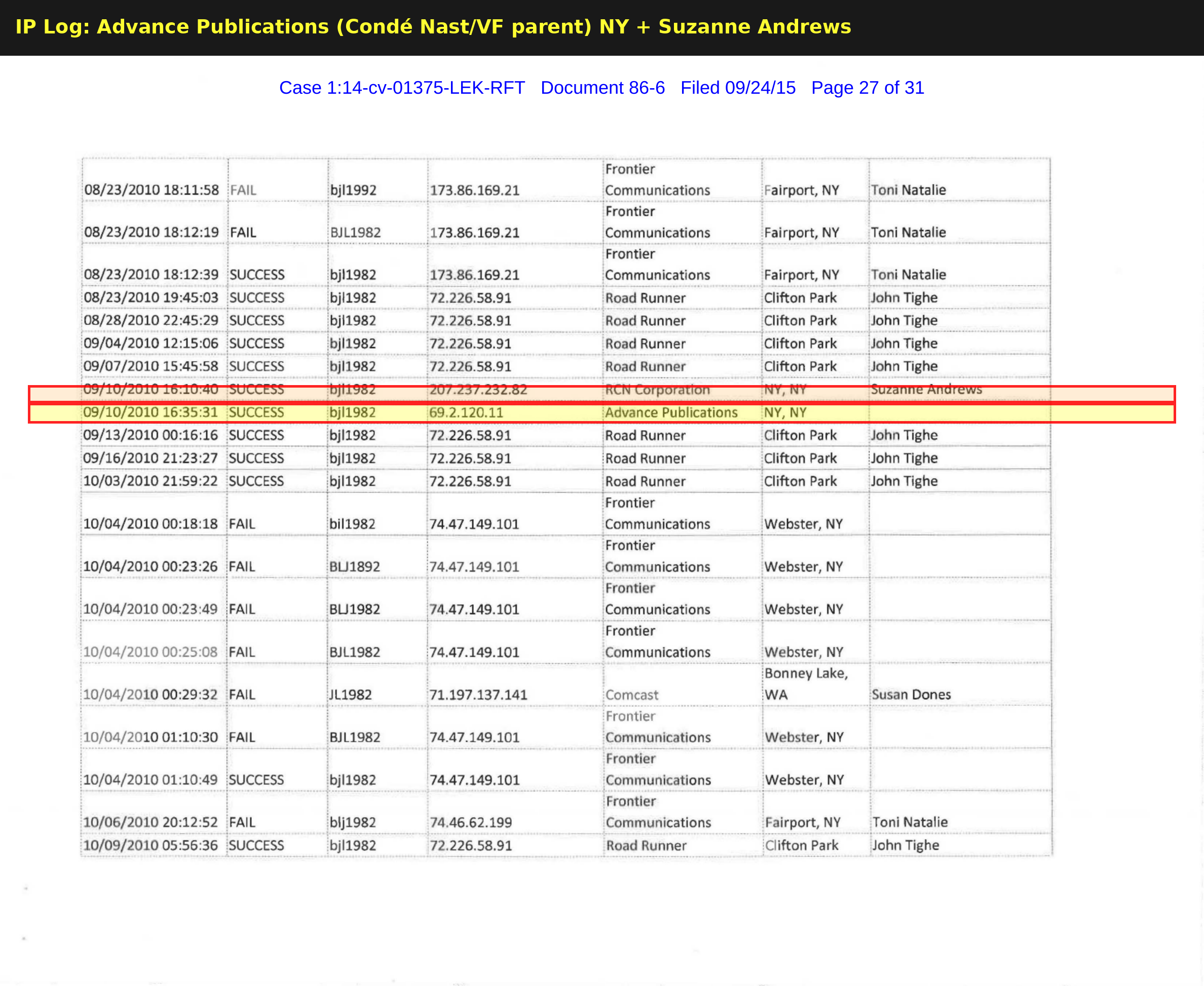
It also includes server intrusions verified by New York State Police and traced to the corporate offices of major media companies hostile to President Trump — including Dow Jones, Vanity Fair, and Advance Publications.
The case? U.S. v. Keith Raniere.
Key Verifiable Points:
Start with the evidence.
1
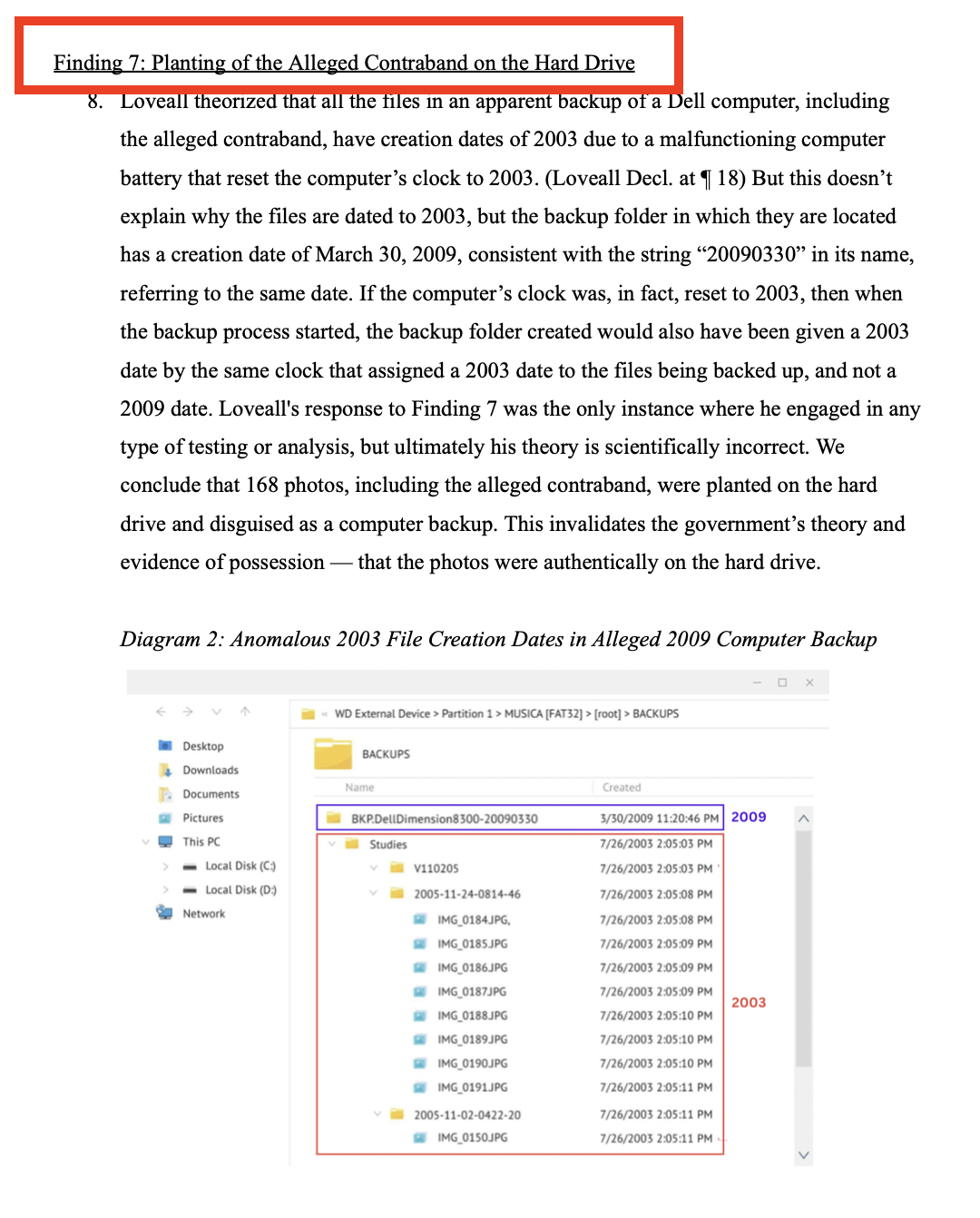
Nude photos of women were planted on a hard drive, and embedded within them were the nude photos the prosecution claimed were of a 15-year-old from 2005.
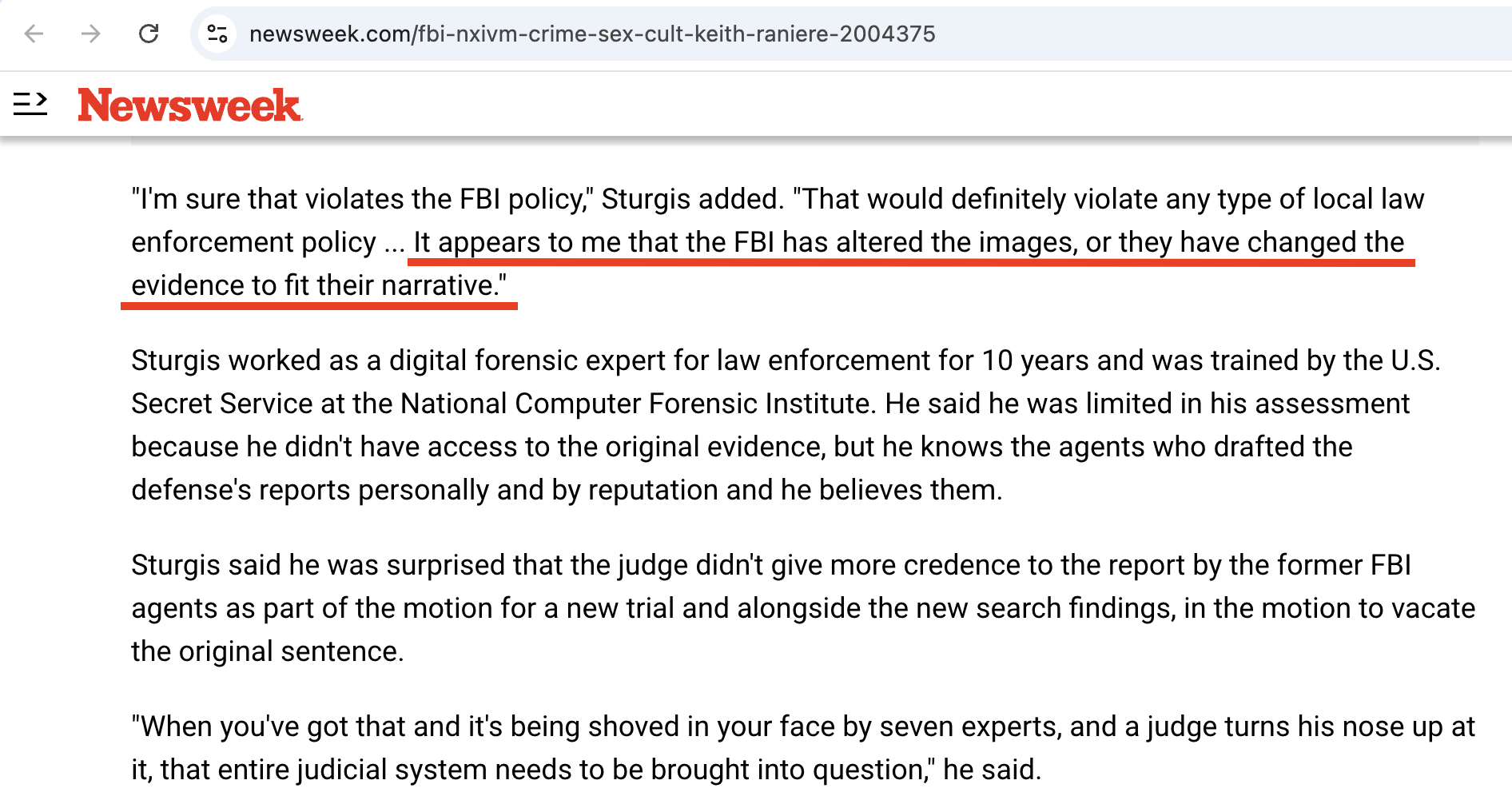
7 forensic experts (4 former FBI) — plus a Newsweek expert — confirmed the planting.
These planted photos were the basis of the only underage charges in the case.
2
The government brought in an FBI expert ("photograph technician") before a camera's memory card was forensically preserved.
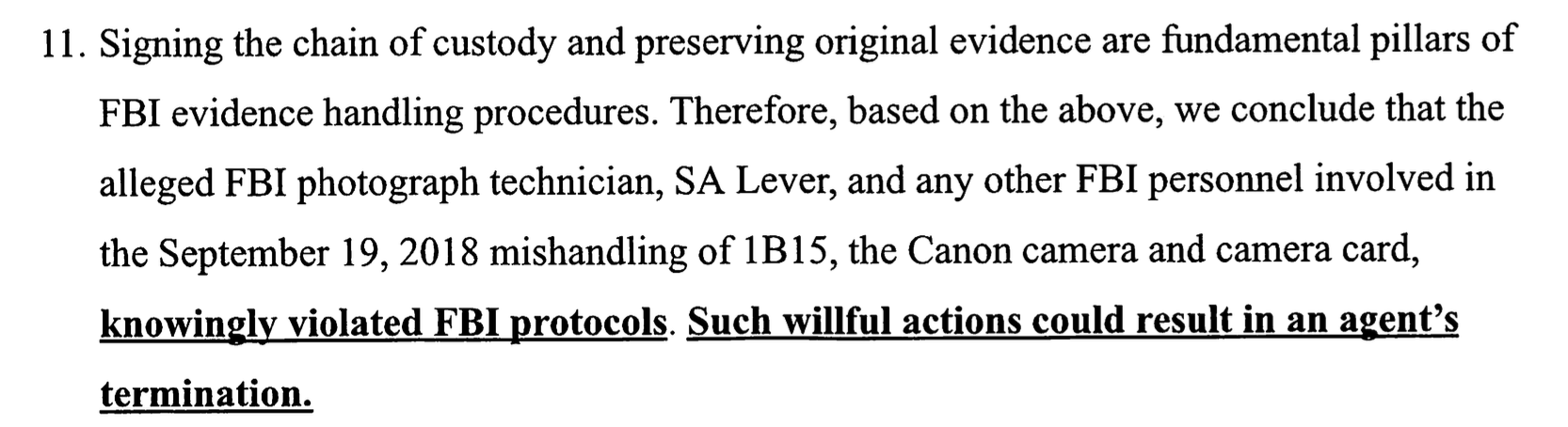
The FBI technician didn't sign the chain of custody and accessed the memory card anyway.
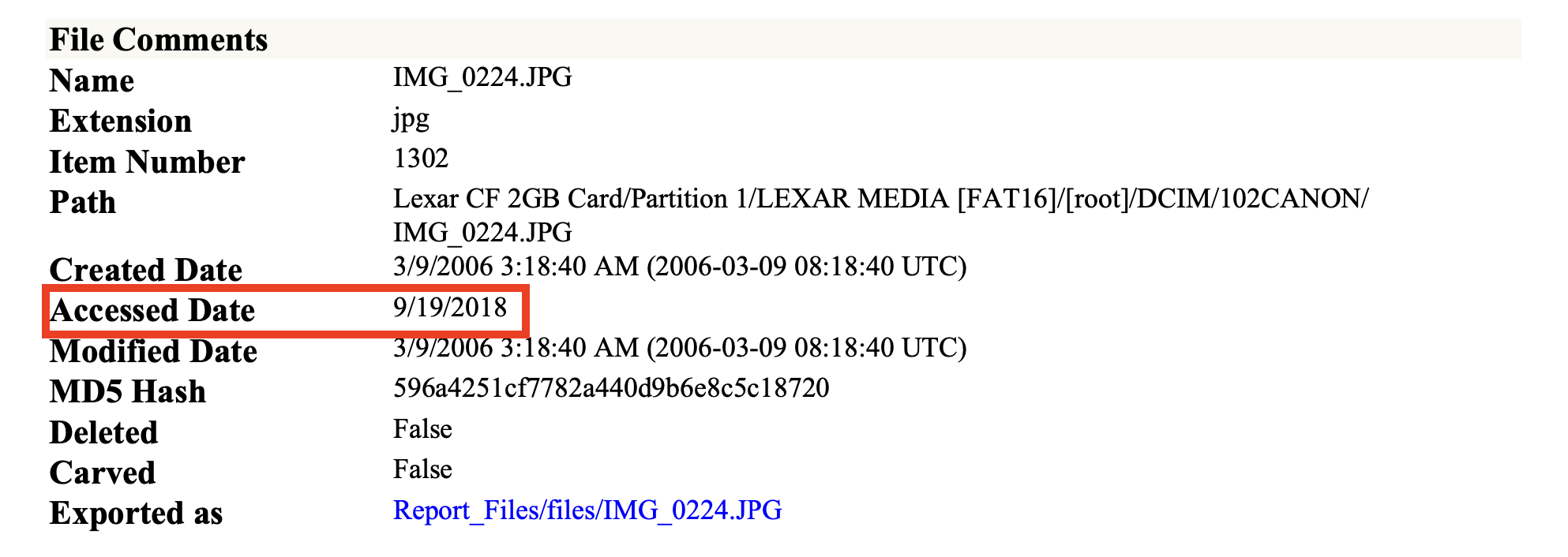
Proof was left behind that the data had been altered.
3
The FBI examiner who first examined the altered memory card was never questioned.
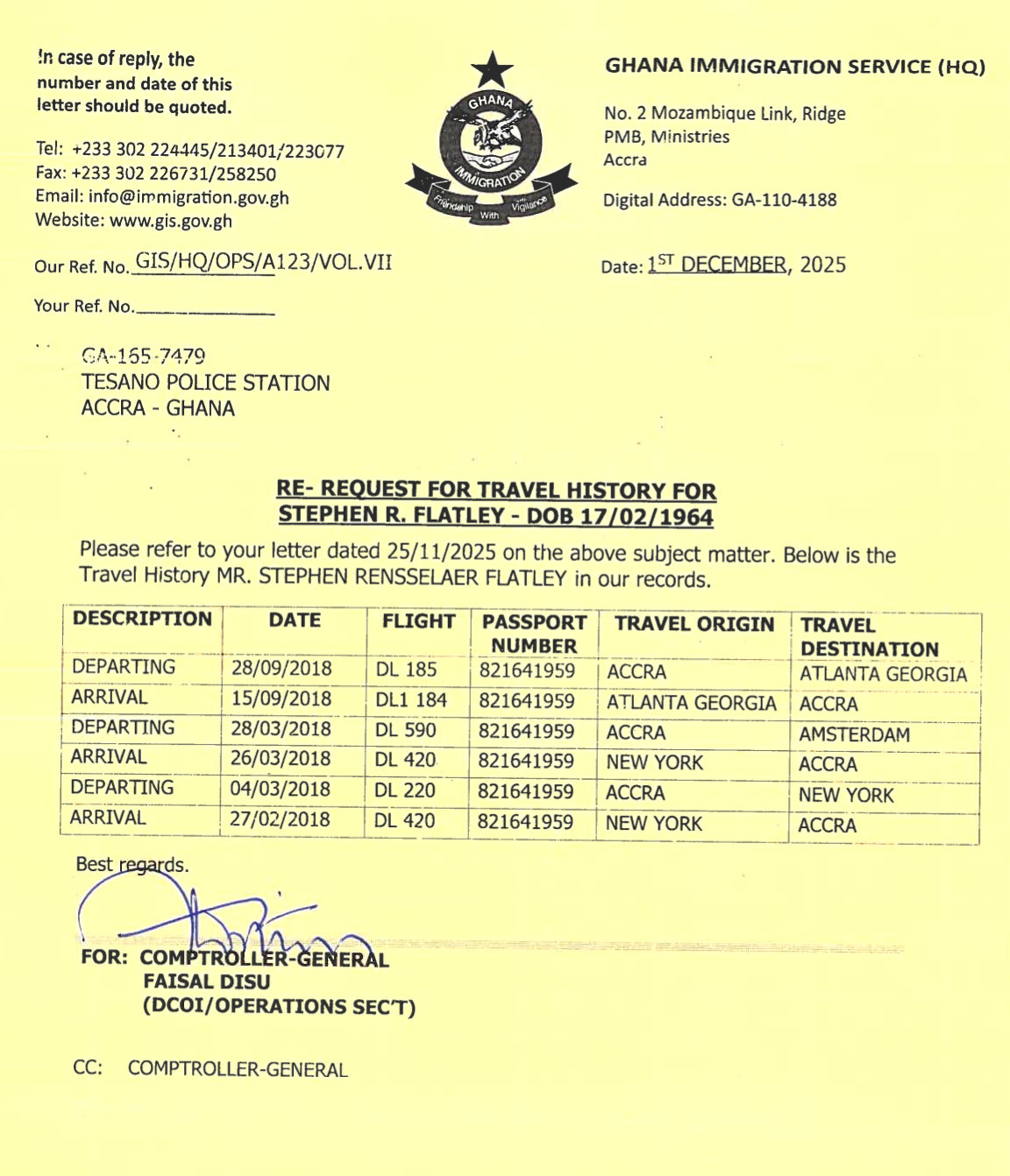
The government said he was sent to Ghana during the trial.
Ghana's records show he wasn't there.
4
The government's ever-shifting story on the most serious charges.
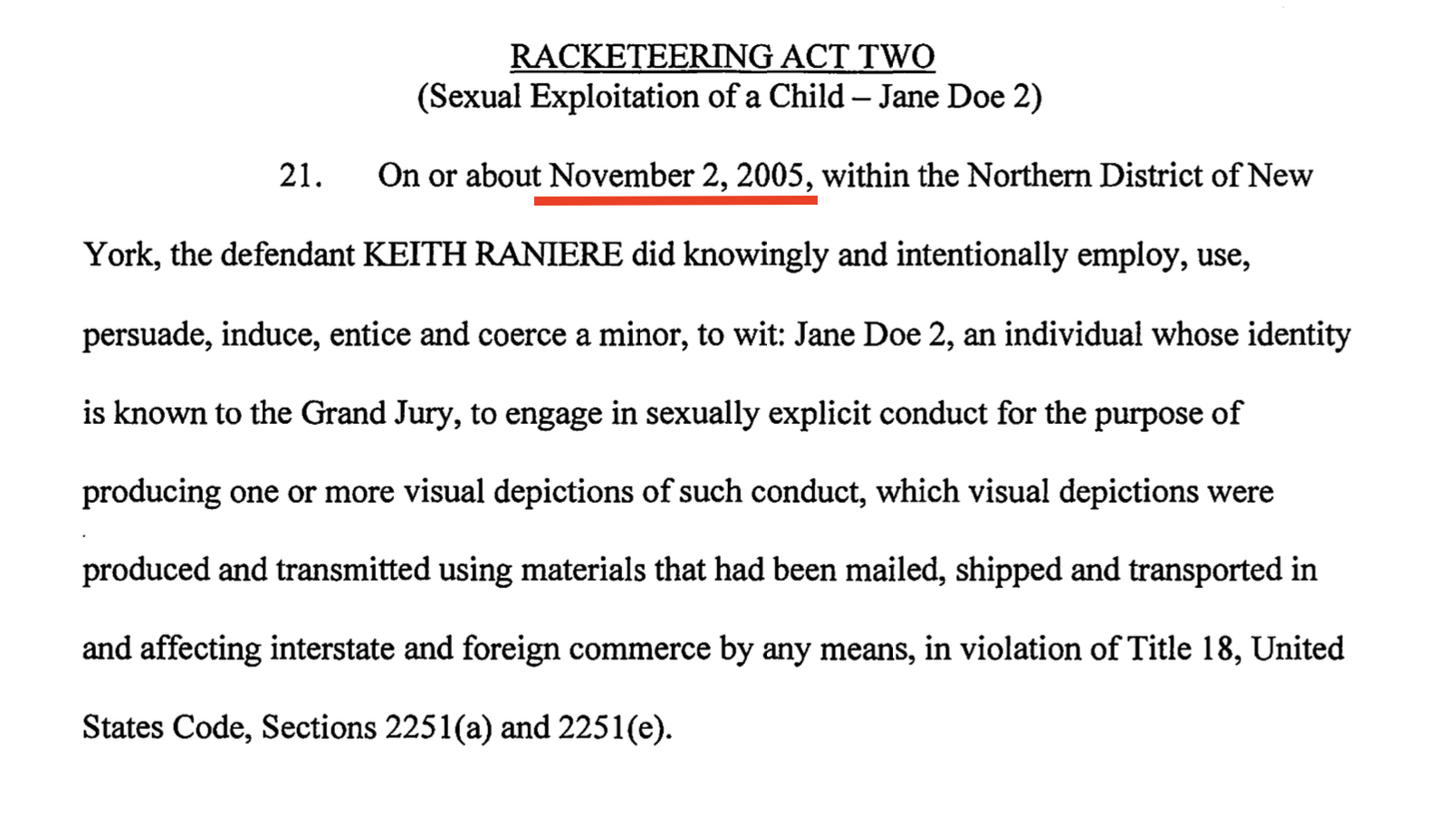
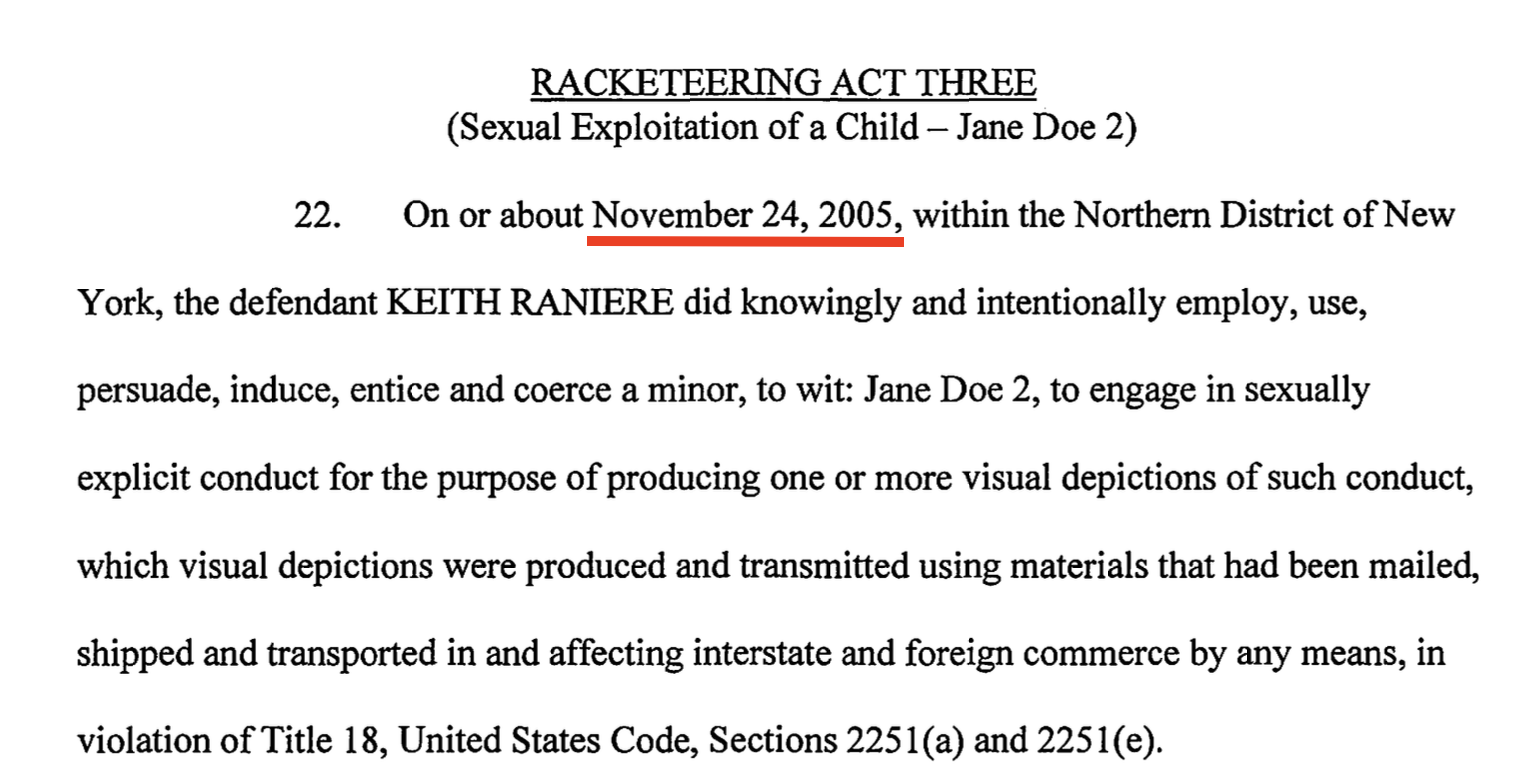
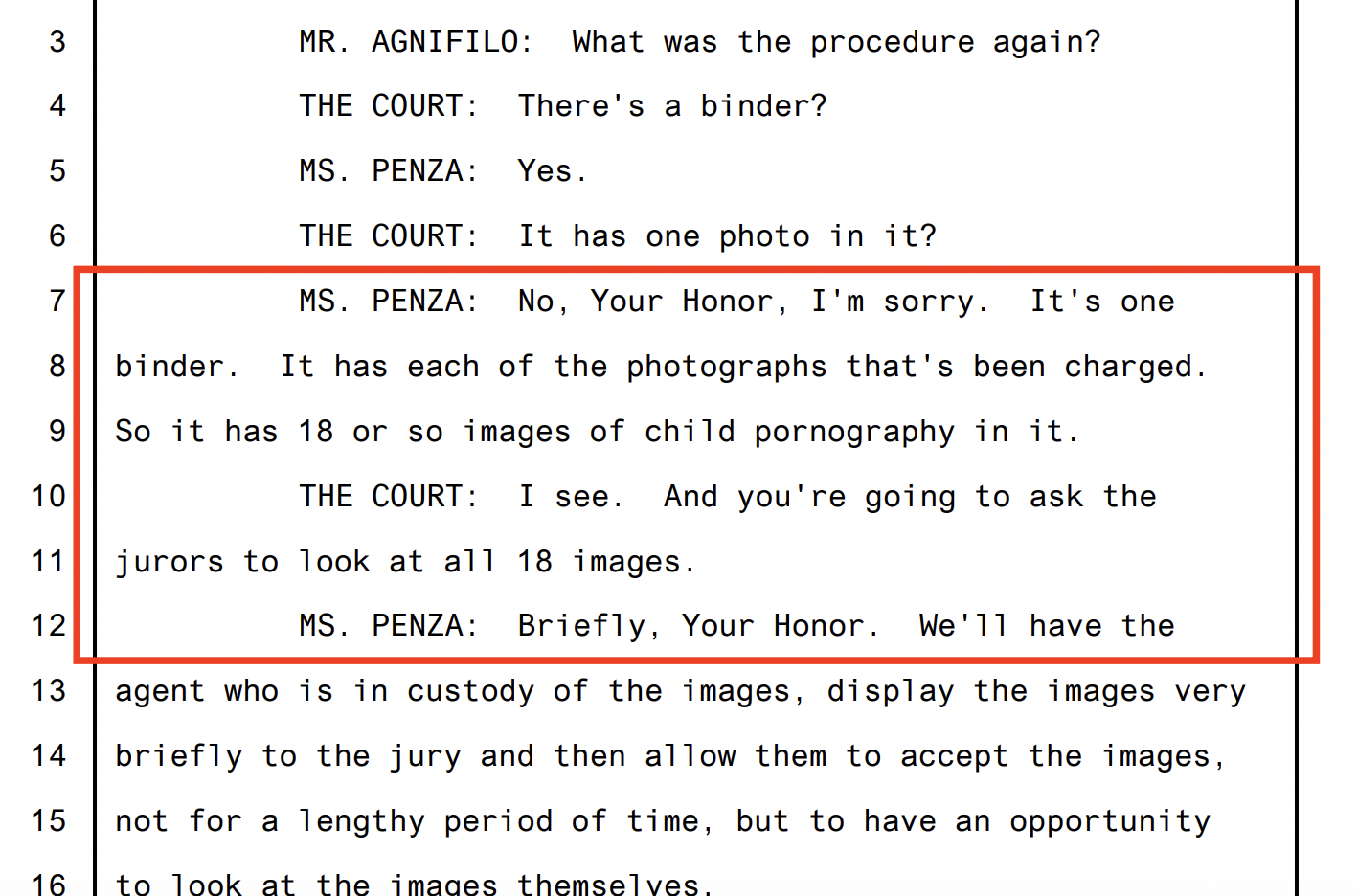
They charged two dates of production (Nov 2 and Nov 24, 2005) and told the court at trial there were "18 or so" CP photos. Convicted on two dates. Asked for — and got — a sentence enhancement for two dates.
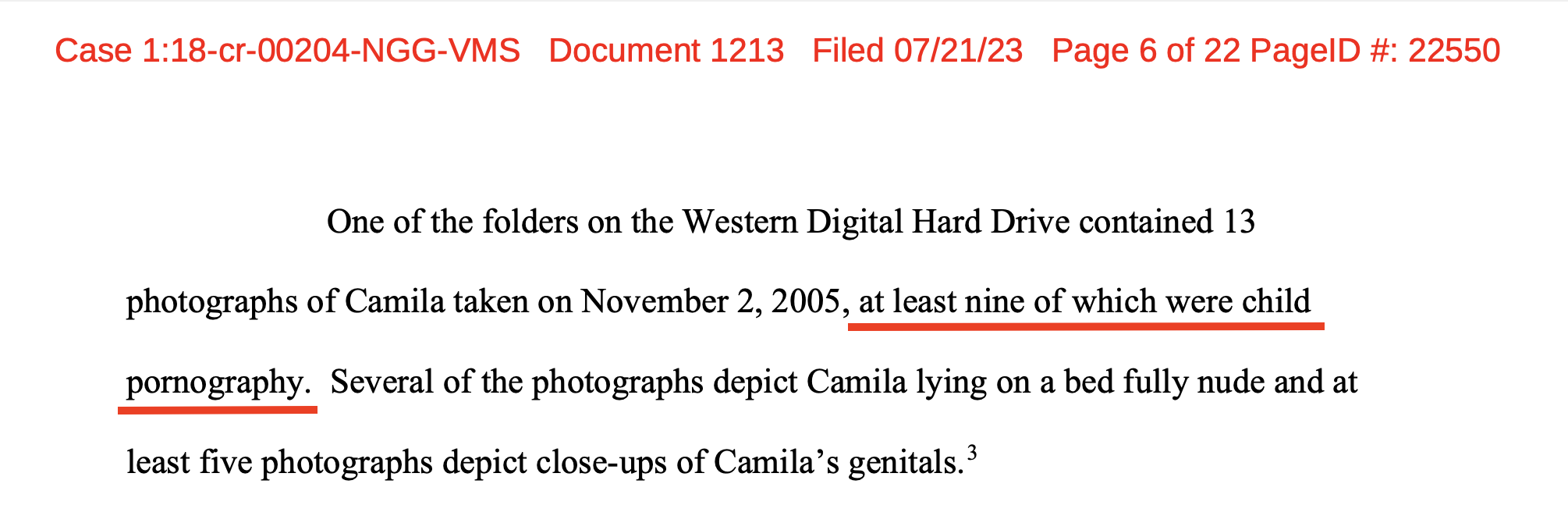
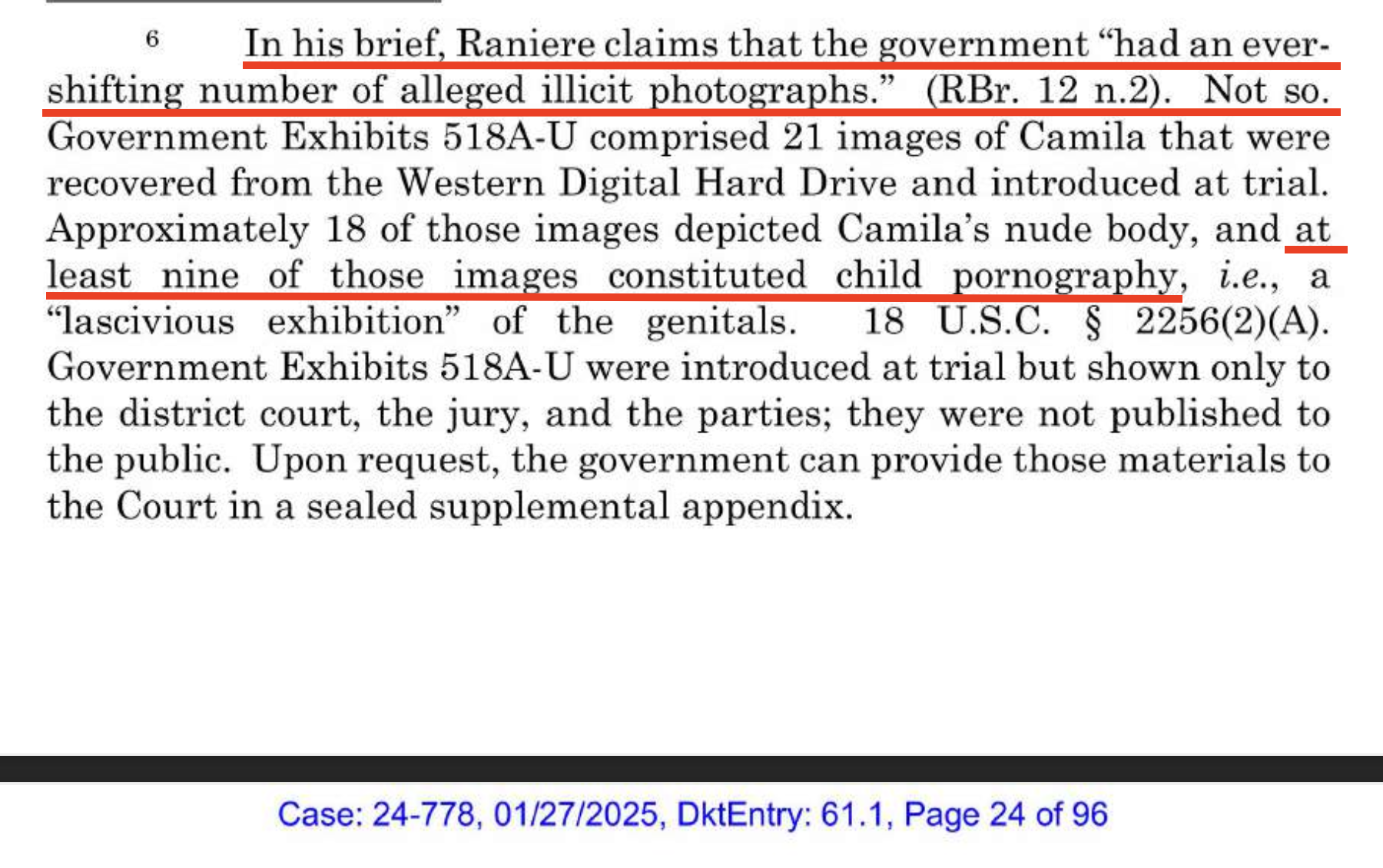
Years later: "at least nine" CP photos.One date (Nov 2, 2005).
On appeal: it was always "at least nine" CP photos.
That's not what they told the court at trial.
5
Comparing the FBI's own search photos proves agents built fake scenes using uncollected items with no in-place photographs showing they were ever found at the property: books about sex trafficking (the central alleged crime) on a shelf, a camera — the kind of evidence central to the case — on a counter.
Presented to the jury as authentic, "found as is" scenes.
Now watch what happened.
6
The trial judge denied a hearing on the alleged evidence planting — relying on a rebuttal report from an FBI expert who never testified and didn't even date his report.
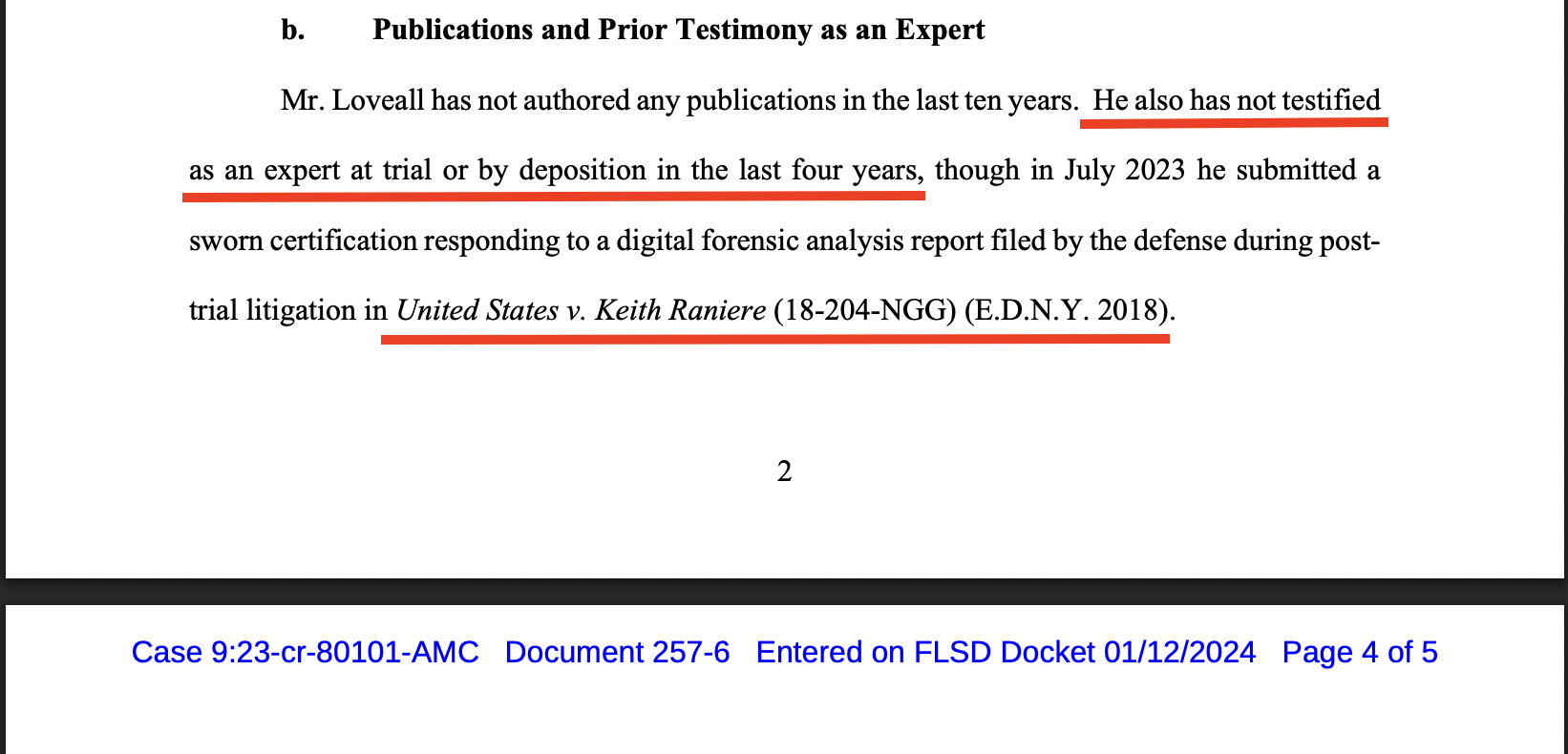
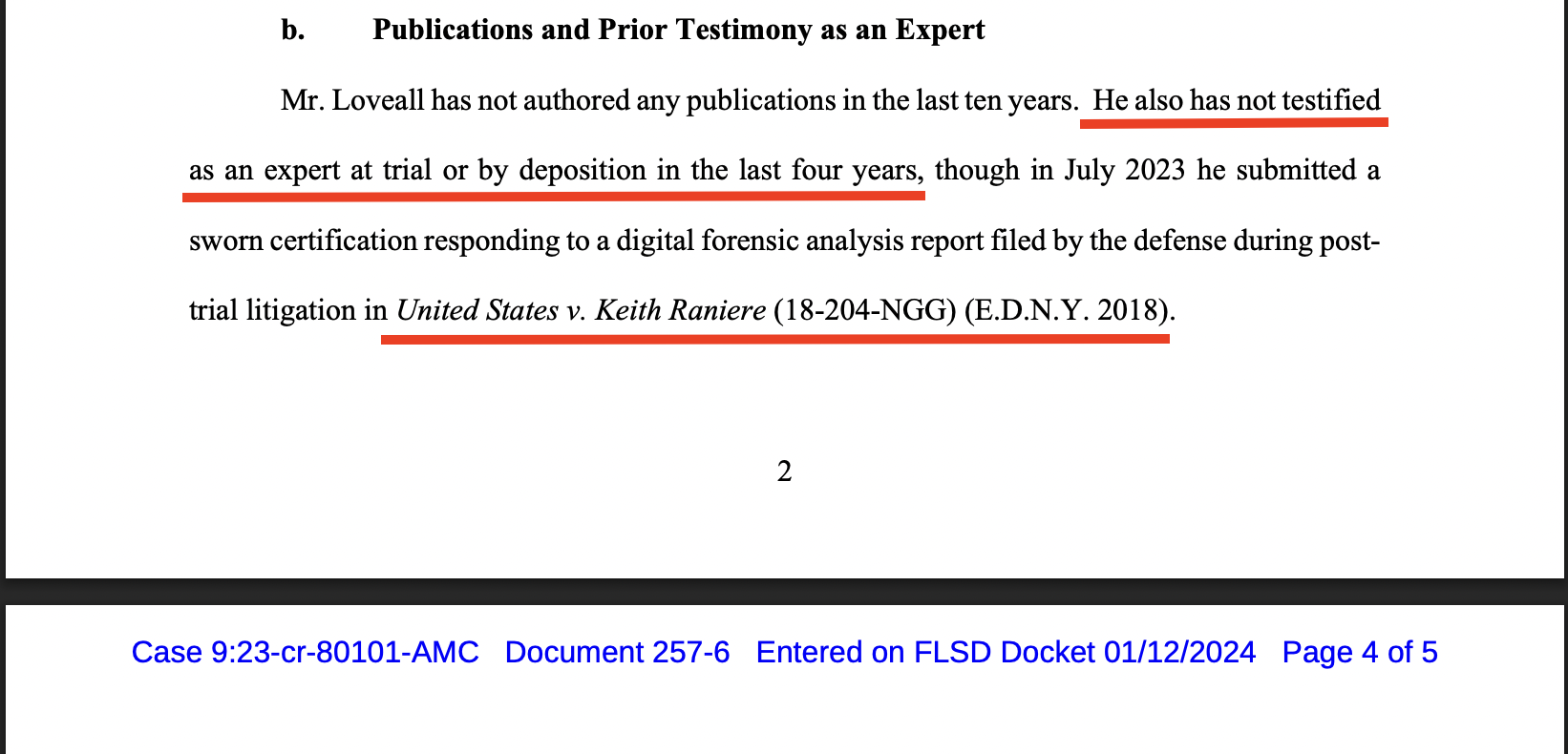
That expert's only other testimonial role in four years? Jack Smith's Mar-a-Lago case.
7
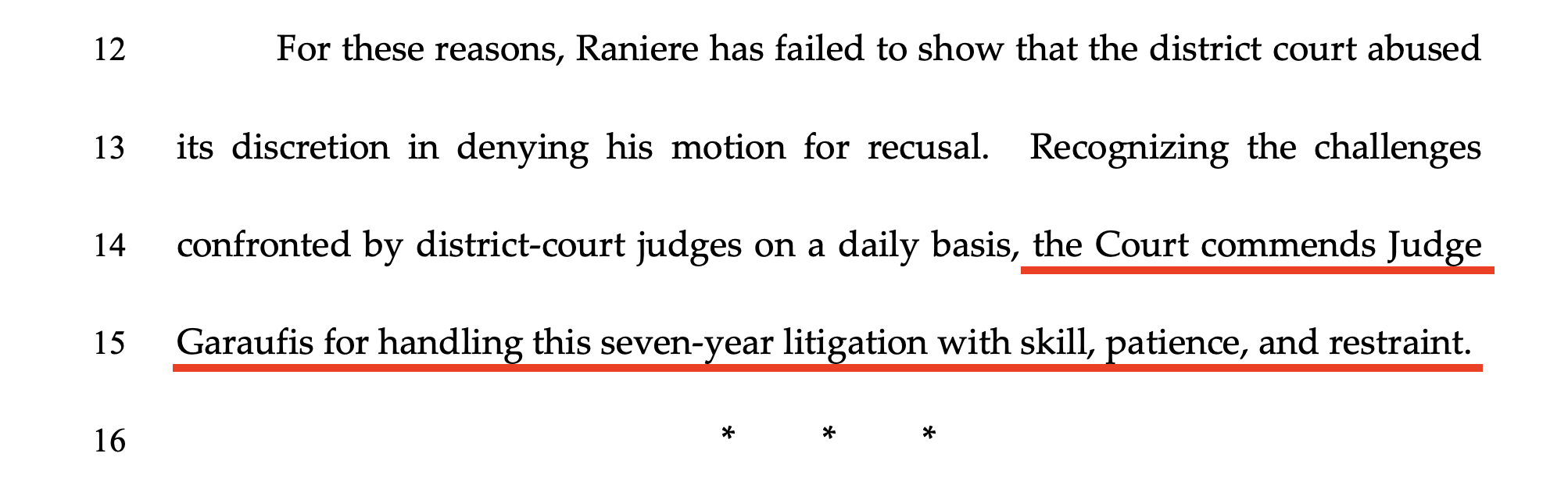
The 2nd Circuit affirmed that denial — and praised the trial judge's conduct of the case as "skill, patience, and restraint."
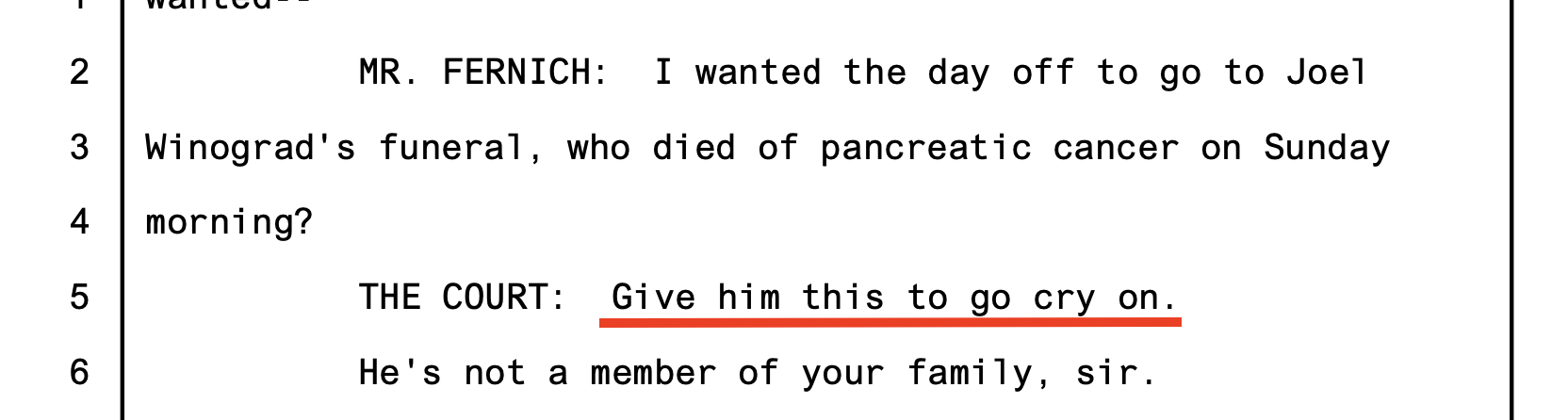
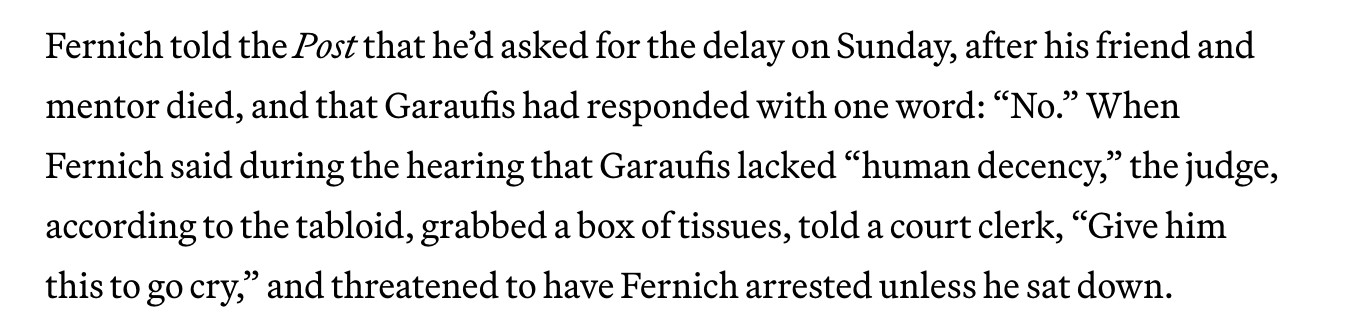
This is the same judge who, when a defense attorney's mentor died of pancreatic cancer, told a clerk to hand him a tissue and said, "Give him this to go cry on."
He then held a 30-minute silent staring contest with the attorney.
8
Evidence proving the planting was filed — certified by a retired FBI Unit Chief.
Retired FBI Unit Chief Dr. J. Richard Kiper — known to FBI Director Christopher Wray — warned this would become "the biggest FBI evidence scandal since the 1990s."
Wray ignored it.
10
The media has actively suppressed these revelations and continues to propagate the narrative:
In December 2024, Newsweek publishes an independent expert's finding of evidence planting and fabrication → within 24 hours, the article drops out of search results → returns only after the reporter publicly raises it.
Seven years post-trial, in October 2025: proof of DOJ misconduct is reported on → seven major outlets re-run the original narrative within two weeks.American Greed re-airs old episodes over Thanksgiving. No mention of the DOJ misconduct.
Years after trial, Raniere and the original case narrative keep getting written into prestige TV — The White Lotus, Rick and Morty, Sirens. Not Weinstein. Not Epstein. Not Cosby. Not R. Kelly. Raniere.
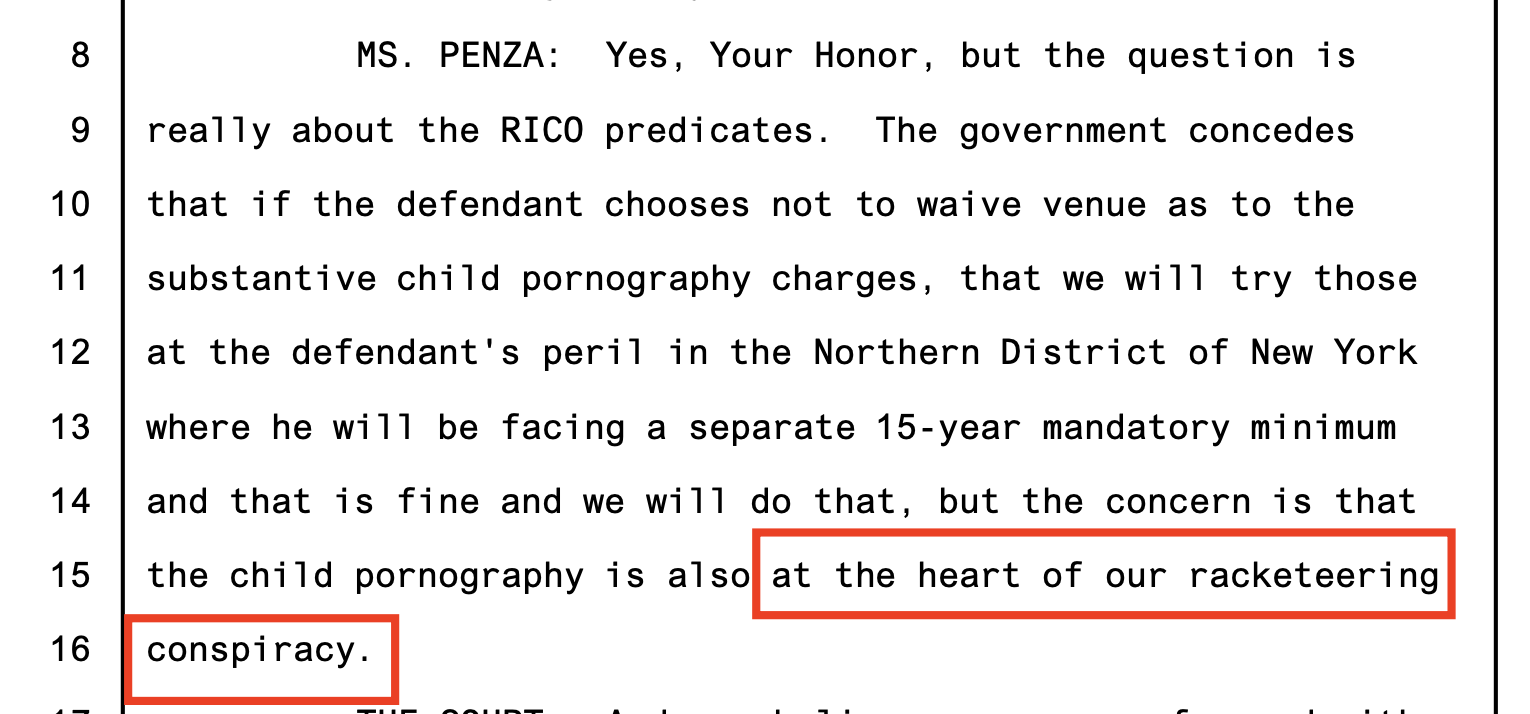
What the prosecution itself called "at the heart" of the case — alleged child pornography — would normally dominate headlines given how serious the allegation is. Here, it's barely mentioned.See the headlines.
And the story created to make it untouchable.
11
Media narrative: "sex cult" leader who "branded women and coerced them into sex with him."
Charges/convictions:
Not a single conviction for him having sex with anyone.
And: not a single charge for what the media called "branding."
The body mark itself was closer to a tattoo or fraternity/sorority symbol — a marking signifying group membership.
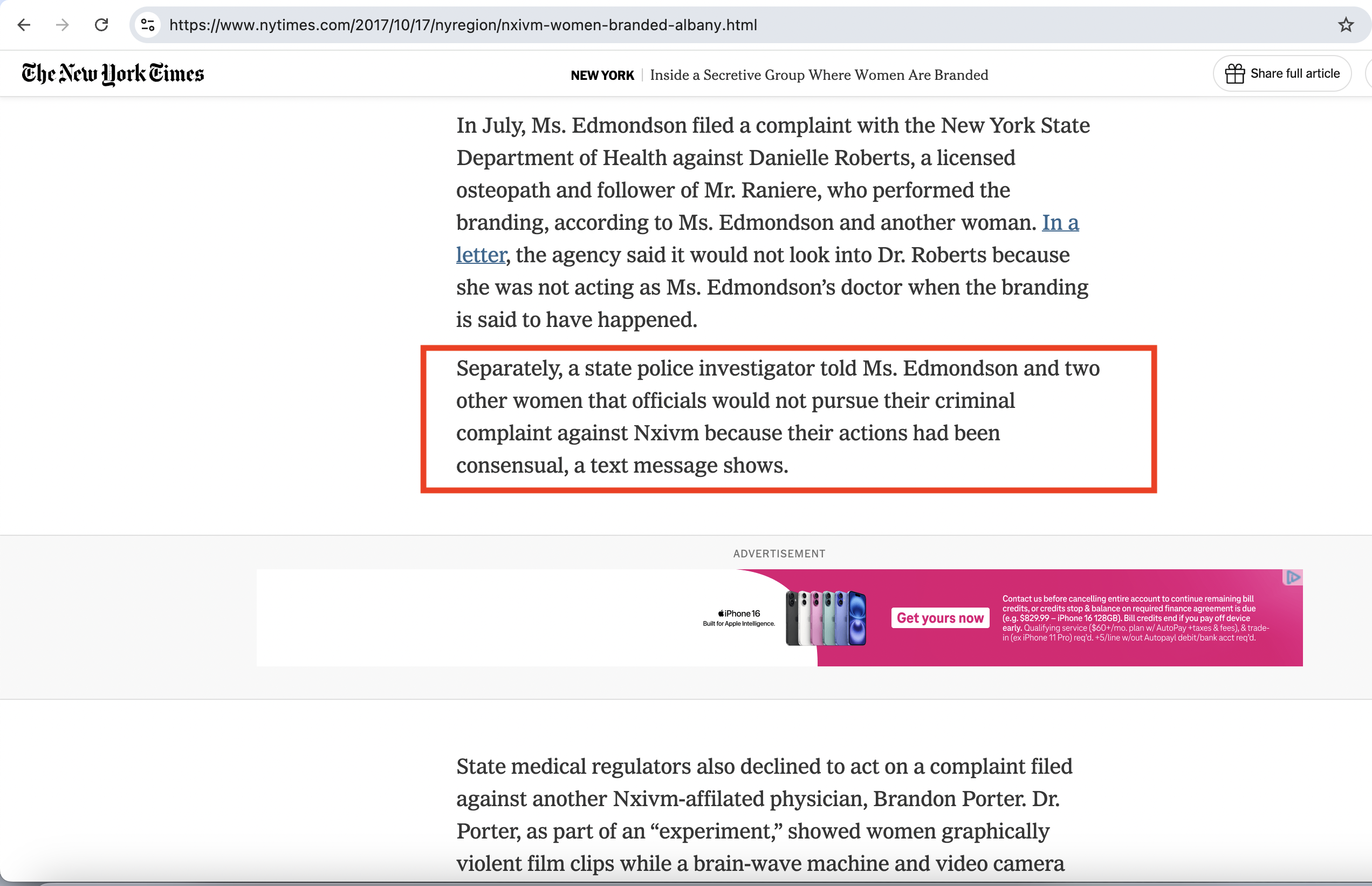
Actually, New York State Police investigated these allegations — including the body mark — and determined the activities were "consensual."
The local federal district (NDNY) had also been approached with the allegations and didn't prosecute.
Days after reading a New York Times article, the EDNY — 160 miles away — started a prosecution, says lead prosecutor.
12
EDNY repackaged the allegations as "sex trafficking."
But beyond the headlines, what even was the charged conduct?
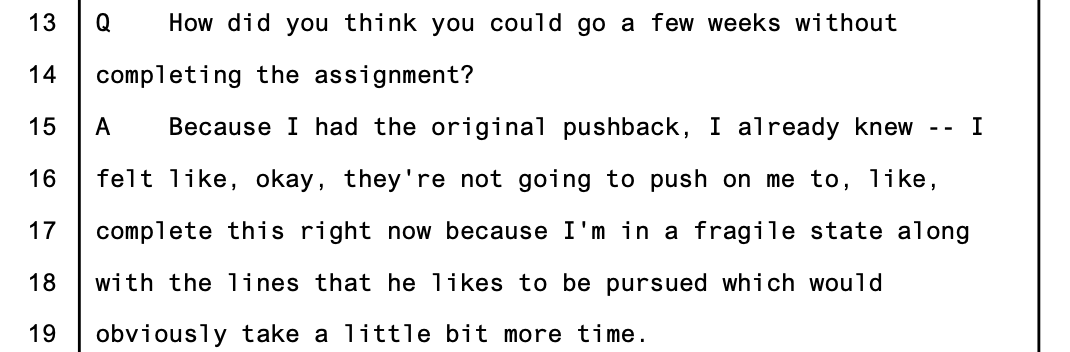
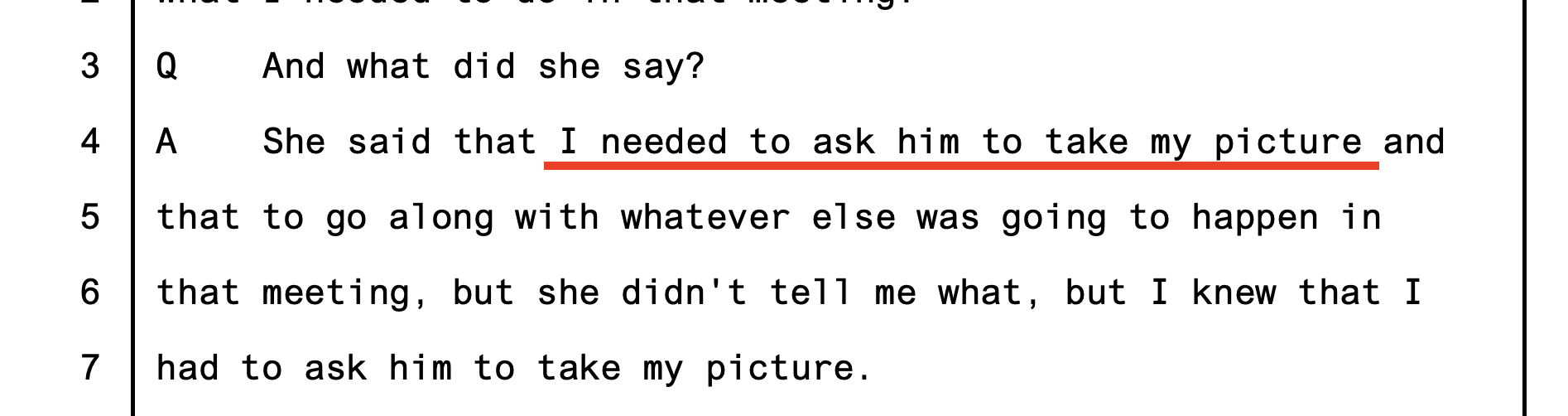
In one incident: a woman was told to ask Raniere for a nude photo. She refused. Nothing happened.
Charged as attempted sex trafficking.
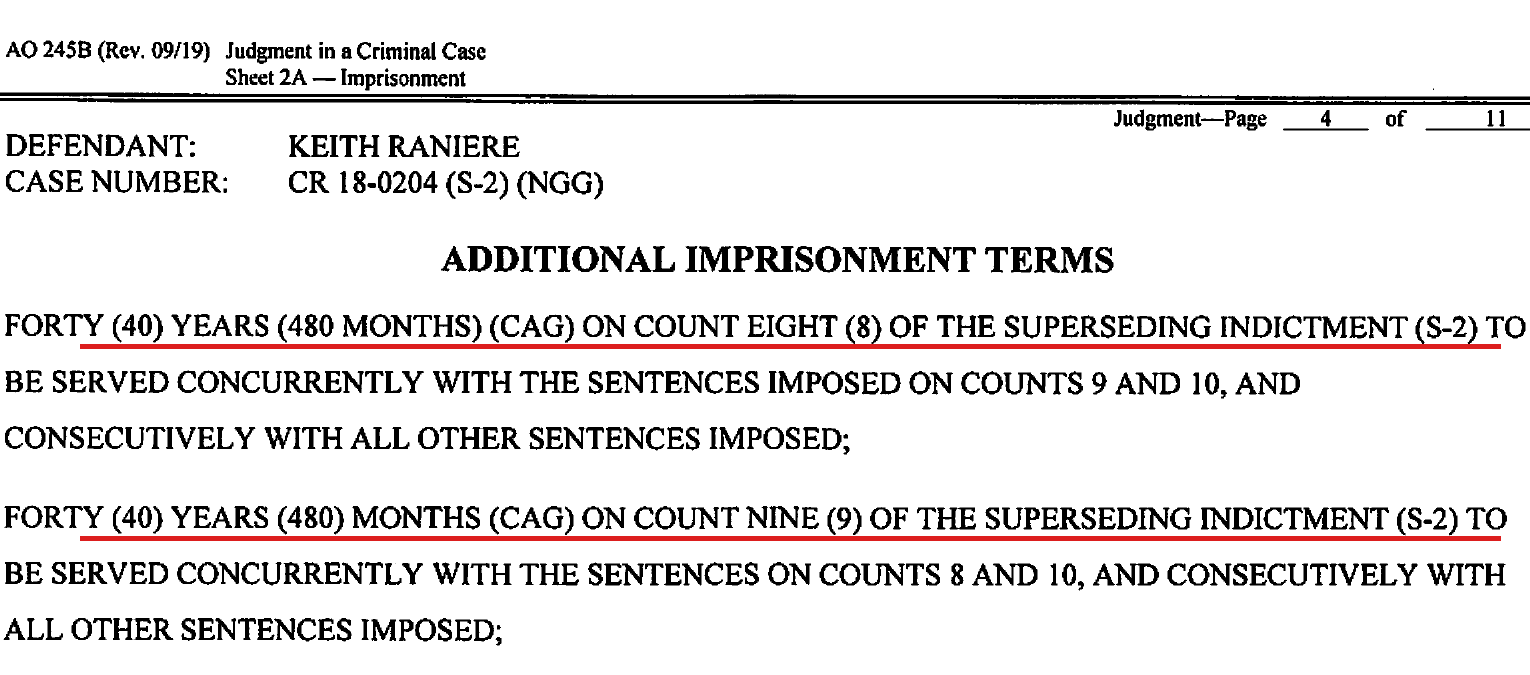
40-year sentence.
13
After the verdict, at a press conference, U.S. Attorney Richard Donoghue described "compelled abortions" as proven in the case.
It was not charged, and no witness in the case even alleged it.
Major outlets reported the made-up allegation as fact, cementing a monstrous public image.
—
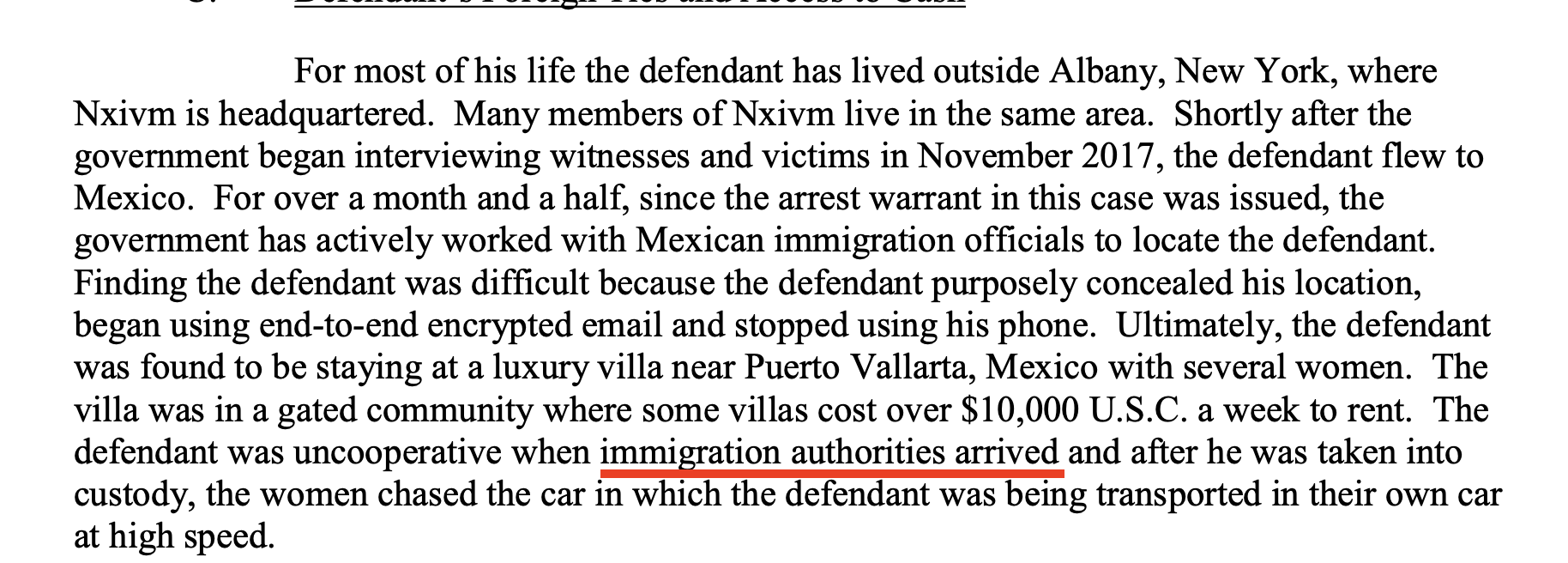
EDNY got an arrest warrant for Raniere and asked the court to seal it, citing flight risk. Then they broke their own seal and leaked the charges to the Mexican government. After Raniere was apprehended, they said Mexico had deported him. On paper, Mexico called it a "visa check." The visa check? Armed Mexican federales (not even immigration officers) in balaclavas presenting EDNY's sealed charges — and that same day the FBI purchased his American Airlines flight out for the next morning. Not a deportation. An international kidnapping under color of law by members of two governments.
14
A few years before the EDNY case, the same media corporations that drove the "cult" narrative were tied to a server breach into Raniere's company, confirmed by NY State Police — including Dow Jones, the Albany Times Union, and Advance Publications.
Civilians were indicted. The media companies were not.
Those same civilians later assisted the EDNY prosecution.
Acting on this evidence advances President Trump's stated objectives.
Every day it isn't, the same actors remain in place — compromising other cases.
Implicated FBI/DOJ Personnel
The actors who carried out and ratified the conduct above are still in the system. Several have since been deployed onto other major federal prosecutions.
#
Name & role
Other known cases
1
Richard Donoghue — U.S. Attorney (EDNY)
January 6 Committee witness against President Trump
2
David Loveall II — FBI Senior Computer Scientist
Jack Smith's Mar-a-Lago prosecution of President Trump
3
Michael Lever — FBI Special Agent (case agent)
—
4
Trenton Schmatz — FBI Supervisory Special Agent
—
5
Maegan Rees — FBI Special Agent
Douglass Mackey prosecution (Twitter meme case)
6
Elliot McGinnis — FBI Special Agent
OneTaste prosecution
7
Christopher Mills — FBI Special Agent
—
8
Tracee Mergen — FBI Special Agent
—
9
Michael Weniger — FBI Special Agent
—
10
Brian Booth — FBI Senior Forensic Examiner
—
11
Brett Hochron — Task Force Officer (NY State Police)
—
12
Unidentified FBI photograph technician
—
13
Moira Kim Penza — AUSA, lead trial prosecutor (EDNY)
Zervos v. Trump — Celebrity Apprentice contestant defamation case
14
Tanya Hajjar — AUSA, co-counsel (EDNY)
—
In addition to the proof points above, the detailed former-FBI-agent verified proof implicating these actors is set out in the following sworn declaration reports filed in the EDNY docket:
Here's the full charge list. There are no charges for the body mark the media called "branding." The sex-themed charges are highlighted in red — and not one of them is him having sex with anyone.
The Sexual Exploitation of a Child and Possession of CP charges were for allegedly taking and possessing nude photos. No sex act.
The sex trafficking charges (three counts, all the same incident) were for oral sex performed on Nicole by another woman. No sex with the defendant.
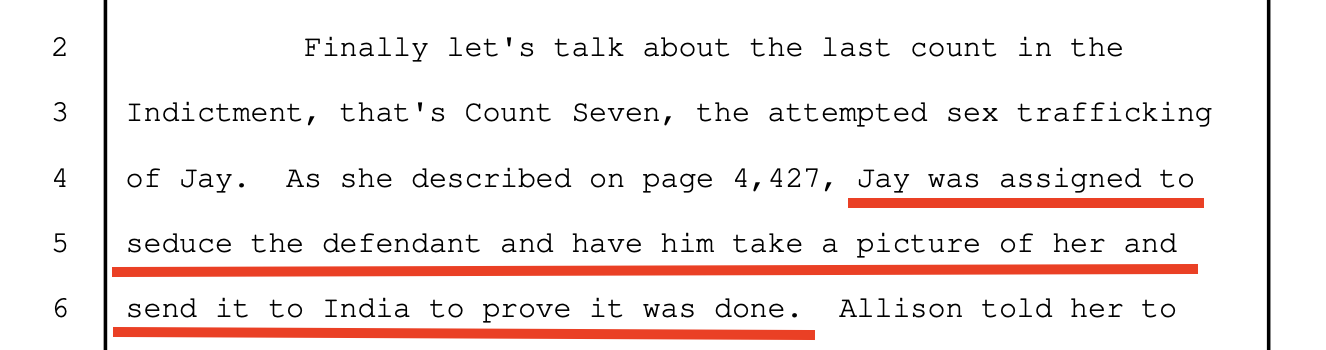
The attempted sex trafficking charge was an assignment to ask for a nude photo. She refused. No photo, no sex act.
The full charge list
Count 2 (Racketeering) is built on a set of predicate "racketeering acts." Count 1 (Racketeering Conspiracy) covers the same acts. Counts 3 through 7 are stand-alone.
Act 1A — Conspiracy to Commit Identity Theft (Ashana Chenoa)
Act 1B — Conspiracy to Unlawfully Possess ID Documents
Act 2 — Sexual Exploitation of a Child (Nov 2, 2005, Camila)
Act 3 — Sexual Exploitation of a Child (Nov 24, 2005, Camila)
Act 4 — Possession of Child Pornography
Act 5A — Conspiracy to Commit Identity Theft
Act 5B — Identity Theft (Loperfido)
Act 5C — Identity Theft (Bronfman)
Act 6 — Conspiracy to Alter Records
Act 7 — Conspiracy to Commit Identity Theft (Marianna)
Act 8A — Trafficking for Labor (Daniela)
Act 8B — Document Servitude (Daniela)
Act 9 — Extortion
Act 10A — Sex Trafficking (Nicole)
Act 10B — Forced Labor (Nicole)
Act 11 — Conspiracy to Commit Identity Theft (Pamela Cafritz)
Count 3 — Forced Labor Conspiracy
Count 4 — Wire Fraud Conspiracy
Count 5 — Sex Trafficking Conspiracy
Count 6 — Sex Trafficking of Nicole
Count 7 — Attempted Sex Trafficking of Jay
How the prosecution got started
1. NY State Police investigated the conduct — including the body mark — and called it consensual.
The New York State Police investigated the same underlying conduct that would later anchor the federal case — including the body mark the media would call "branding" — and deemed the activities "consensual," as reported by the New York Times on October 17, 2017.
2. The local federal district was approached and didn't prosecute.
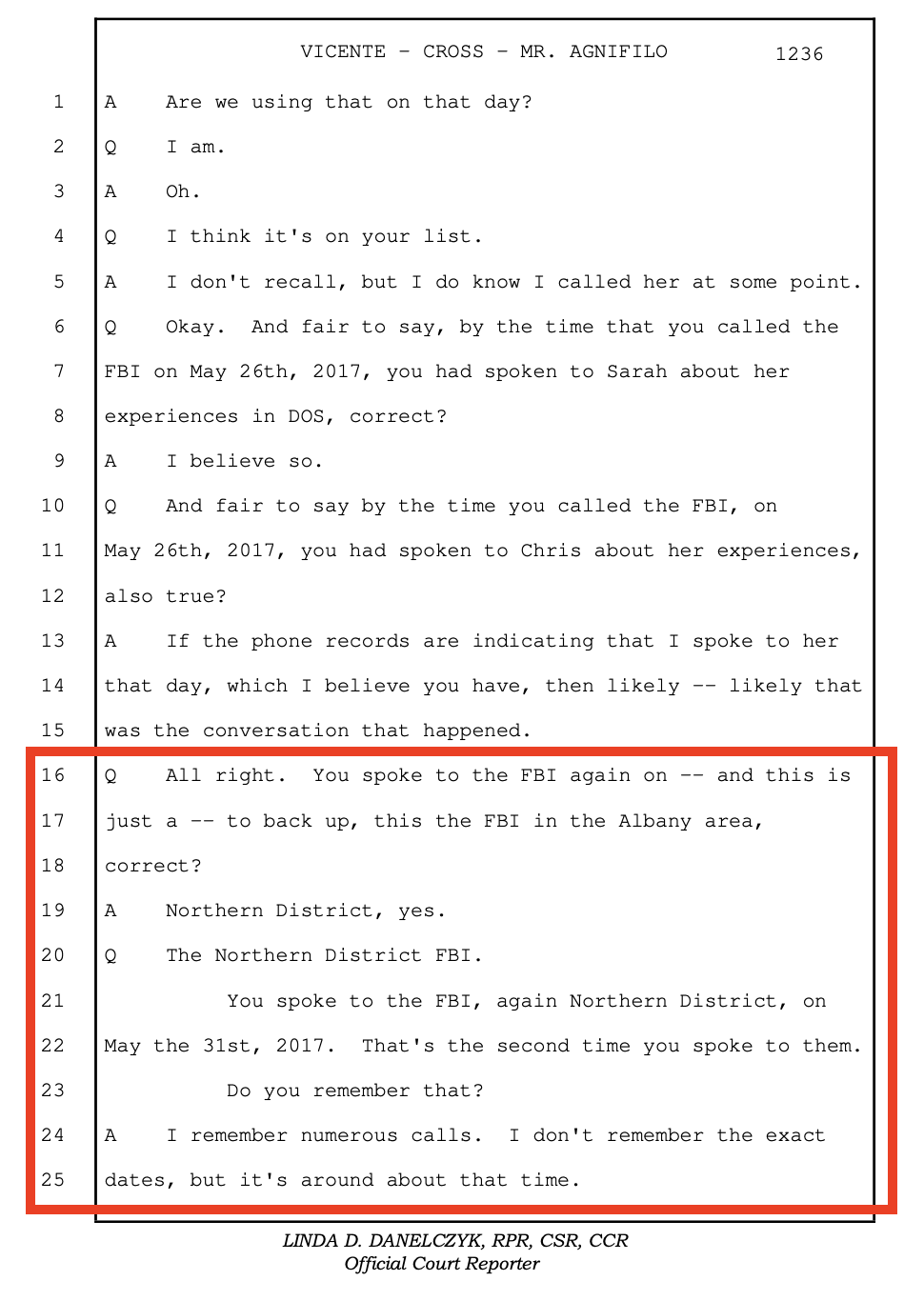
In May 2017, the Northern District of New York — the federal district covering Albany, where the alleged conduct occurred — was approached with these core allegations and declined to prosecute. Mark Vicente confirmed this on the trial record.
3. Days after a New York Times article, EDNY — 160 miles away — started one anyway.
Years post-trial, the lead prosecutor Moira Kim Penza said it on camera, on Starz's Seduced:
"When I read the New York Times article, it immediately felt apparent to me that there was criminal conduct going on and that there must be a lot more to what I was reading about. And so I started digging in. My office very quickly got an amazing team of FBI agents on board and within days really, we were interviewing witnesses and victims."
What this means. The October 17, 2017 New York Times article reported that NYS Police had deemed these Albany-based activities consensual. An AUSA in EDNY, 160 miles away, read that same article, and within days had FBI agents interviewing witnesses — starting a federal prosecution out of Brooklyn on conduct that the Albany authorities had already rejected.
New York Times, October 17, 2017 — NYS Police characterize activities as "consensual"; the article that triggered EDNY's investigation
Mark Vicente trial testimony — confirms NDNY was approached and declined to prosecute
Moira Kim Penza on Starz's Seduced: Inside the NXIVM Cult (video clip on file)
Walking through the proof
What's missing from the headlines.
1. The prosecution: CP "at the heart" of this case.
From the pretrial transcript, March 18, 2019, on the trial record: the prosecution itself described the alleged child-pornography charges as "at the heart" of the case.
Pretrial transcript · March 18, 2019, on the trial record.
Seven experts — plus Newsweek's — verified the planting.
What was actually claimed
Nude photographs of a single person — no sex act depicted — found on a hard drive and traced to a camera (containing a memory card), both seized in March 2018. The photos were not themselves illegal. What made them illegal, according to the government, was a 2005 timestamp on the files, because in 2005 the person in the photos would have been 15.
The alleged 2005 dating came entirely from easily modified digital timestamps — not witness testimony. No witness ever placed the photos in 2005, on the camera, or with Raniere taking them.
What hangs on these photos: the only underage charges in the case
These photos were the basis of the entire underage element of the case:
Two predicate racketeering acts of "child exploitation" — the term suggests underage sex, but here the charged conduct was specifically the alleged taking of the photos.
One predicate racketeering act of possession of child pornography.
If the photos are excluded as planted and falsified, all three predicate acts have no basis. Nothing else in the case is underage-related.
Seven experts — four former FBI — proved the evidence was fabricated
Seven independent forensic examiners — four of them former FBI — with a combined 150+ years of digital forensics experience conducted a comprehensive analysis. Their findings: hundreds of timestamps were manipulated, files were planted, and the 2005 timeframe that made the images illegal was itself fabricated. (Doc. 1253-1)
"The involvement of government personnel in this evidentiary fraud is inescapable — an unprecedented finding in our combined 150+ years of forensic experience."
An independent Newsweek expert confirmed it
Newsweek retained its own independent forensic expert, who reviewed the evidence separately and agreed with the seven experts' findings. Not a defense-hired expert — independent journalistic verification.
Jack Smith's expert was brought in to cover it up
The DOJ's sole rebuttal was a report by FBI Senior Computer Scientist David Loveall II — undated, with no actual proof, misidentifying the evidence, and citing a computer model that does not exist. Seven experts independently rebutted it point by point.
Loveall's only other testimonial engagement in over four years: Jack Smith's testifying forensic expert in the Mar-a-Lago prosecution of President Trump.
Doc. 1273-7 — seven-expert point-by-point rebuttal of Loveall
HBO The Vow, Season 2 Episode 6, 15:20–15:38 — Penza "matter of finding those" admission
Newsweek, December 2024 — independent expert confirms falsification
Walking through the proof
Secret evidence tampering — September 19, 2018.
This camera and memory card are the evidence linking Raniere to the alleged underage conduct — and the camera's alleged foreign manufacture is what brought the underage charges into federal court. To this day, the government still refuses to identify the FBI technician who accessed the unpreserved memory card.
1. Proof of alteration left behind on the memory card — September 19, 2018.
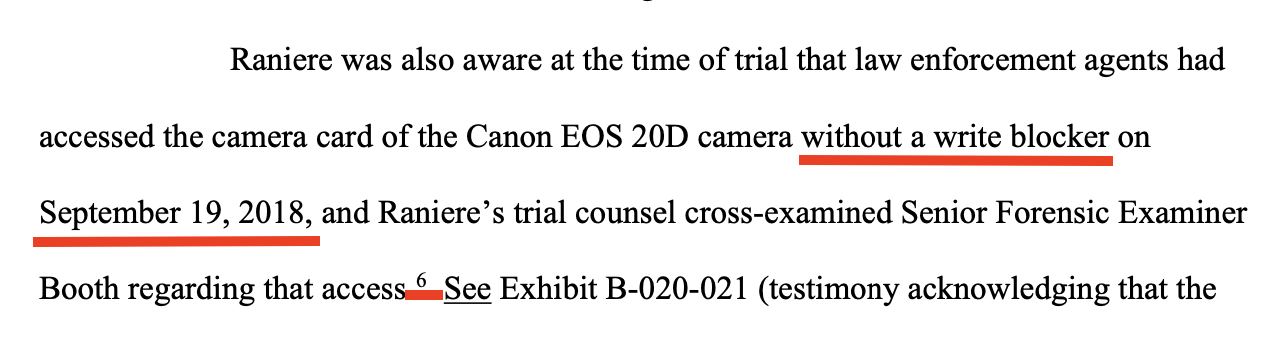
Six months post-seizure — and before the card had ever been sent to the FBI Digital Forensics lab (CART) to be preserved. The FBI collected the camera (containing the memory card) on 03/27/2018. No date field on the card should reflect activity after that point. But it does: the access dates of dozens of photos were overwritten to September 19, 2018.
2. FBI policy was violated.
Under FBI DEPG 3.3.4.5, only authorized CART personnel may access original digital evidence. CART preservation is a required first step before any access by anyone. The September 19 access happened before the card ever reached CART.
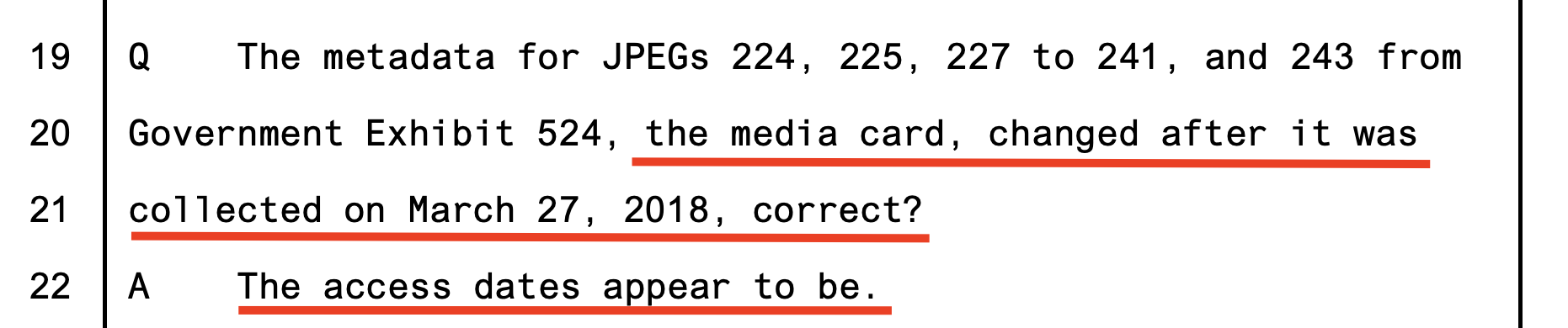
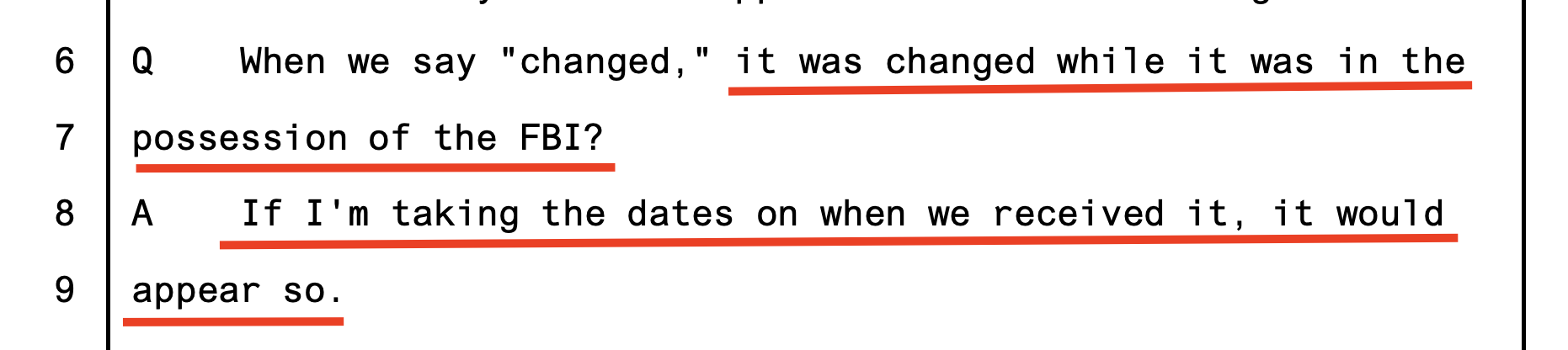
3. FBI Examiner Brian Booth admitted the alteration in FBI custody at trial.
On the stand, Booth confirmed dates were changed on the memory card while in FBI custody — metadata altered after collection on March 27, 2018, while in FBI possession.
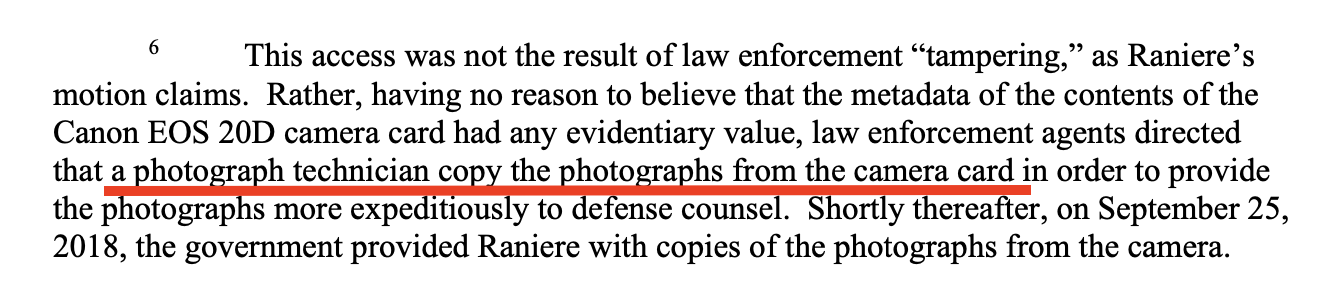
Four years post-trial, the government disclosed that an FBI photograph technician was brought in on September 19, 2018 to access the unpreserved evidence — supposedly to "copy the photographs from the camera card" for discovery. But the resulting PDF includes deleted files, meaning forensic recovery software was used. That isn't copying photographs.
The technician accessed the card without a write blocker — the safeguard that prevents data changes during access — which is why the card was left altered before it ever reached CART.
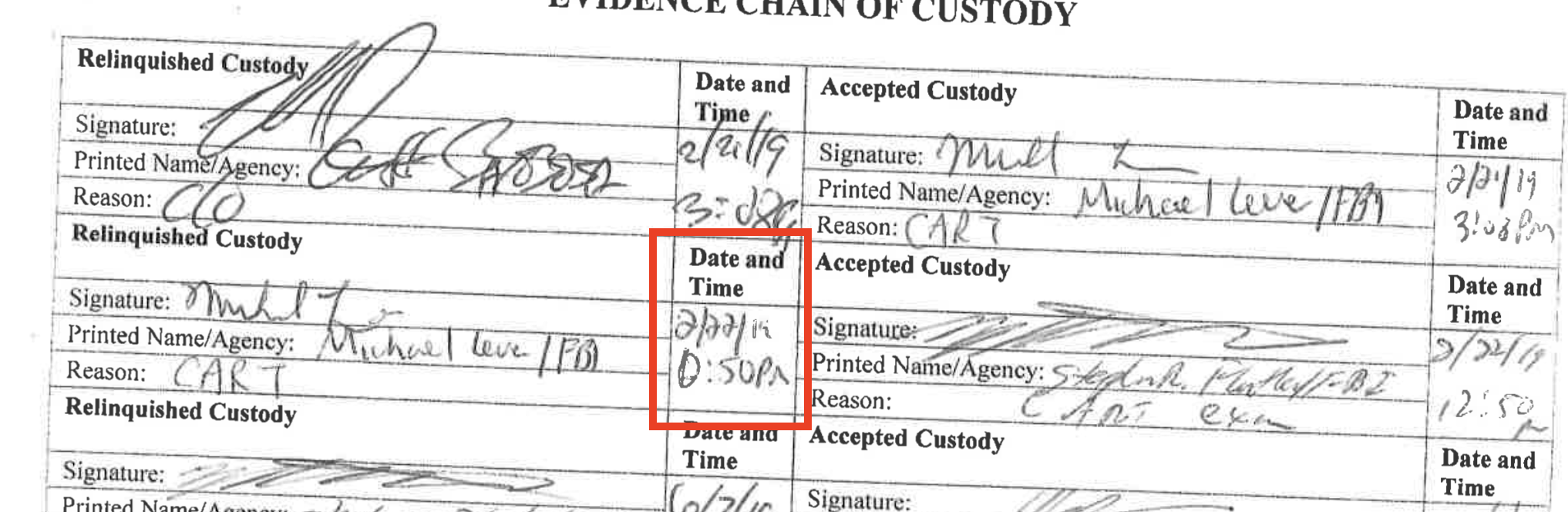
5. Chain-of-custody signing was deliberately skipped.
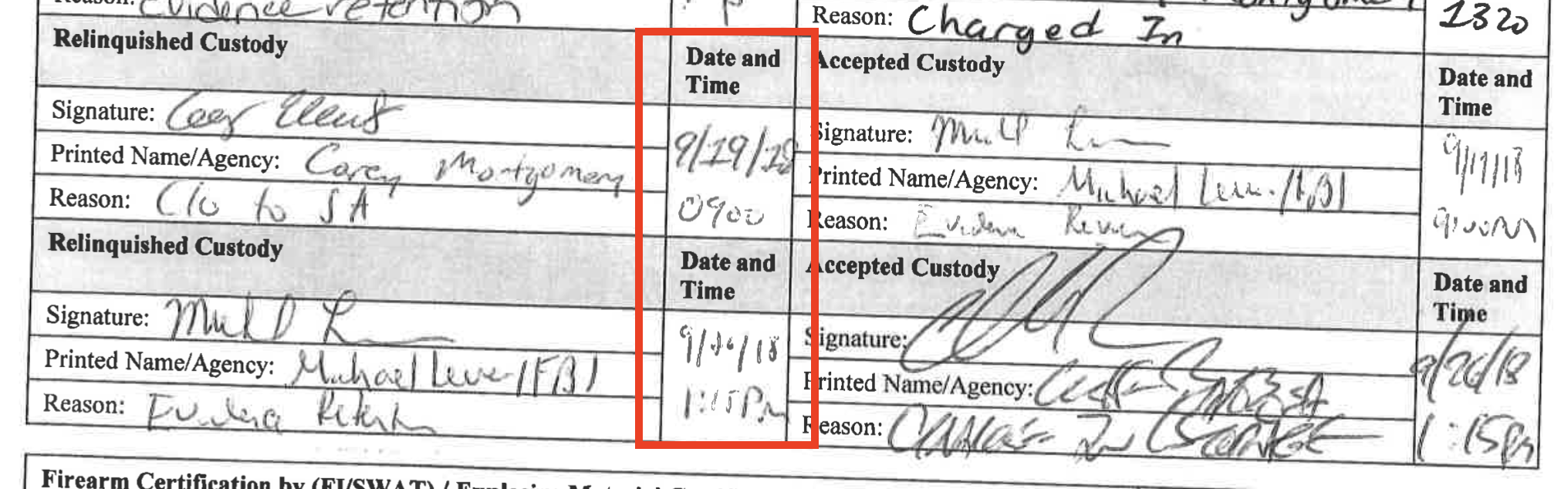
On September 19, 2018, SA Michael Lever checked the memory card out from evidence control, signing the chain of custody.
That day, he gave the camera and memory card to the FBI technician. All FBI personnel are trained that signing the chain of custody is required when transferring evidence. Yet:
Lever didn't sign the chain of custody when handing the card to the FBI technician;
The FBI technician didn't sign the chain of custody when receiving it;
The FBI technician accessed the memory card and left behind proof it had been altered;
The FBI technician didn't sign when returning the memory card to Lever;
Lever didn't sign the chain of custody when receiving it back from the FBI technician.
These were what four former FBI CART examiners called "knowing violations" of FBI policy that could "warrant an agent's termination."
Then seven days later, on September 26, 2018, Lever returned the camera and memory card to evidence control, and did sign the chain of custody.
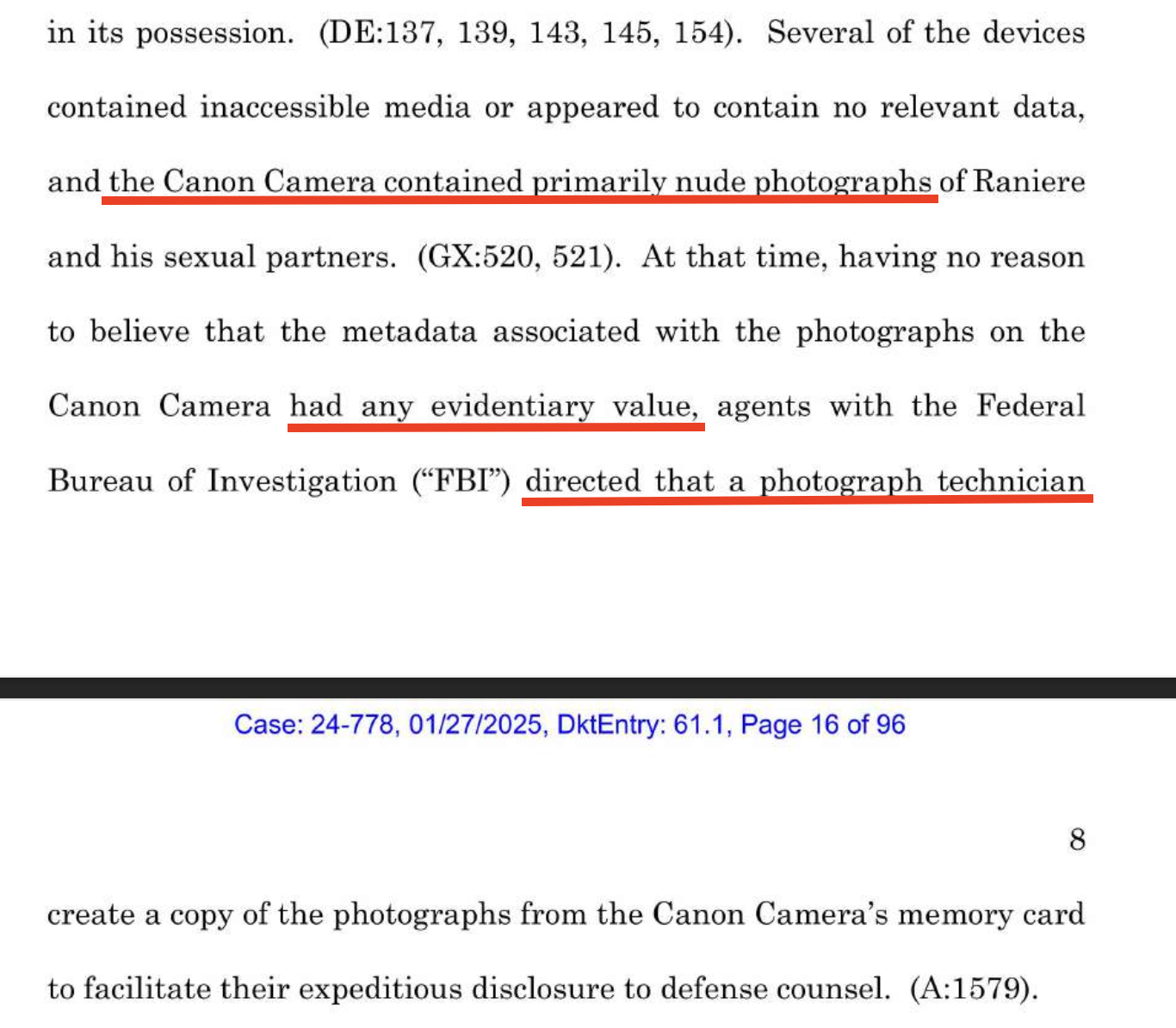
6. The government's defense on appeal? "No evidentiary value."
Five years later, on appeal, the government defended bringing in the off-books technician. Their argument: the camera "contained primarily nude photographs" of Raniere and his sexual partners, and they had "no reason to believe that the metadata associated with the photographs … had any evidentiary value." So they brought in the unauthorized FBI technician to access unpreserved evidence — something every FBI agent knows is forbidden.
First: how did they know what was on the camera? Someone must have already accessed the unpreserved memory card — itself another knowing violation of FBI protocol.
Second: at the time, the case was about nude photos of women allegedly used as blackmail to coerce them — the foundation of the "sex trafficking" charges. Metadata establishes when a photo was taken, on what device, and by whom: its authenticity. The government's defense is that the authenticity of nude photos in a sex trafficking case had "no evidentiary value"?
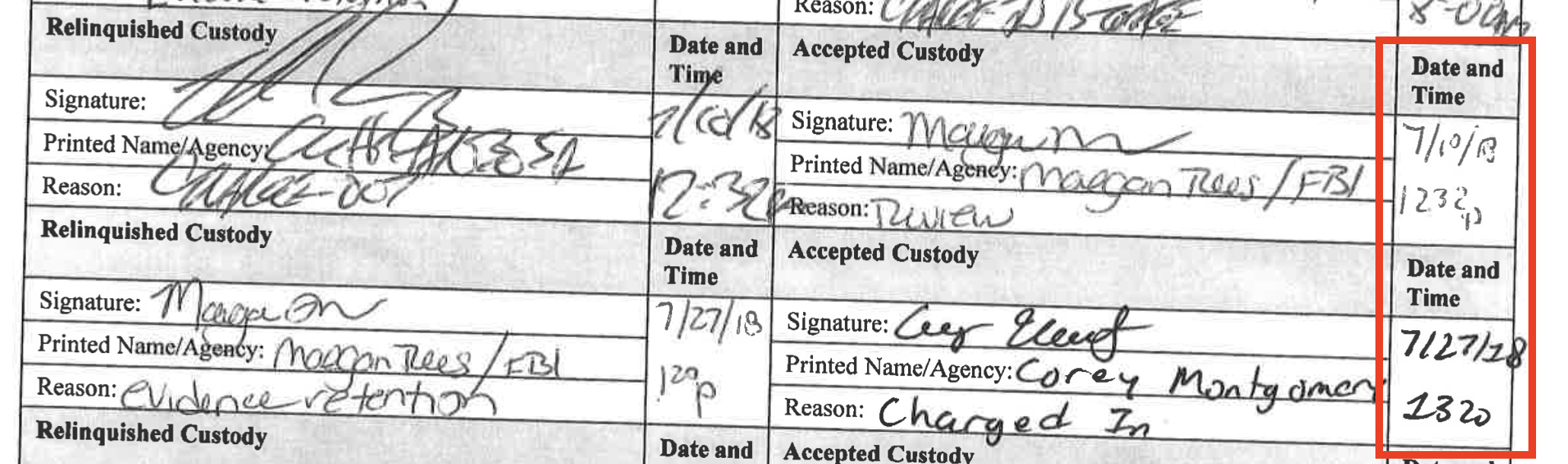
7. Another agent held the card for 17 unexplained days.
Before all of this, SA Maeghan Rees held the memory card from July 10, 2018 to July 27, 2018 — with no legitimate investigative reason, in violation of DEPG 3.3.4.5. No records of what she did with it during those seventeen days have ever been provided. Any record of whether she accessed it may have been overwritten by the September 19 alteration.
"Given admitted government misconduct, including violating evidence protocols, providing evidence to unidentified and unauthorized personnel, and altering the original camera card, the involvement of government personnel in this evidentiary fraud is inescapable — an unprecedented finding in our combined 150+ years of forensic experience." — Joint forensic report, seven experts (four former FBI)
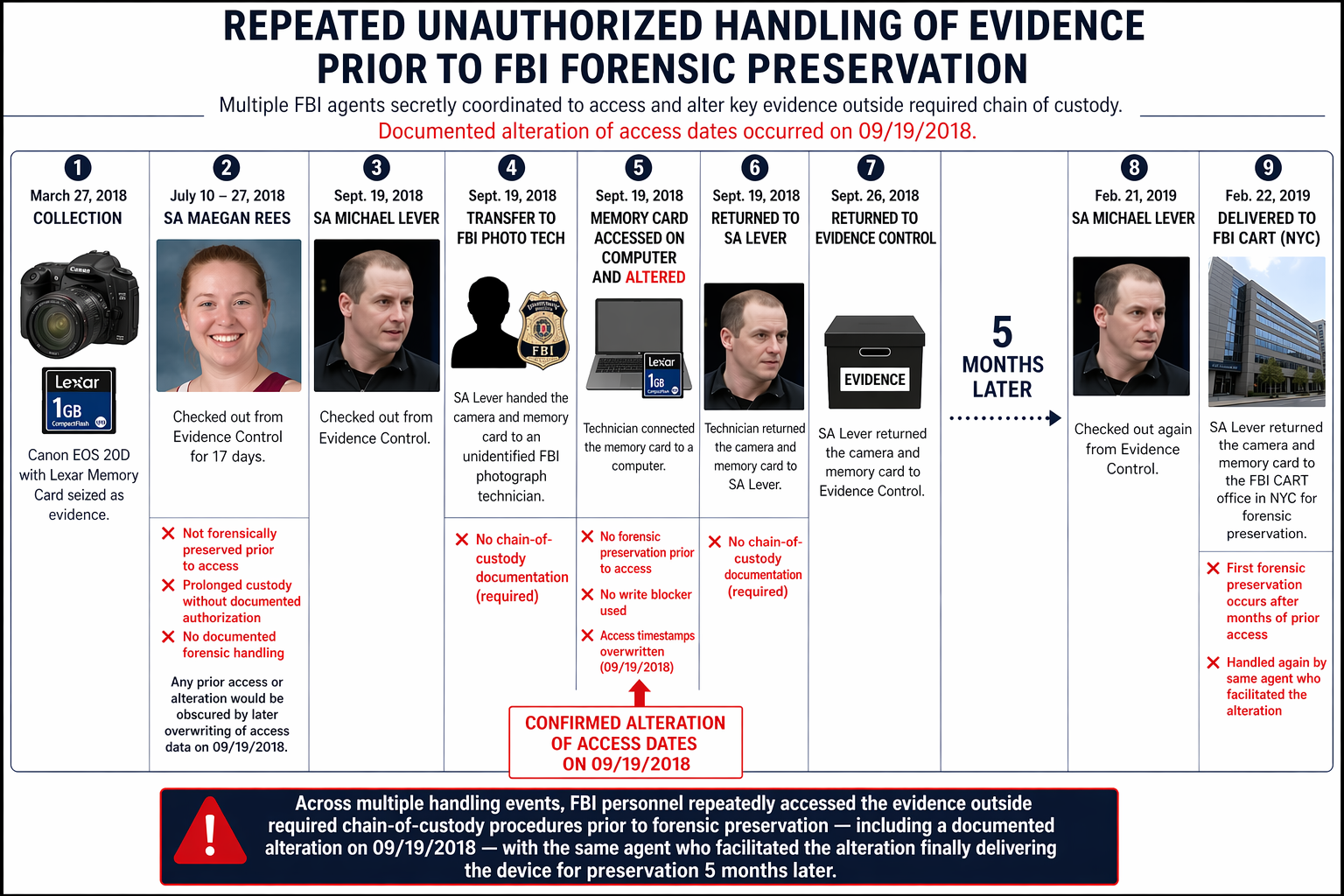
The full handling timeline, in one diagram.
Every documented handling of the original memory card by FBI personnel outside CART, with policy violations annotated.
Walking through the proof
Was Flatley really in Ghana?
1. Flatley finally received the camera and memory card on Feb 22, 2019.
After eleven months in FBI custody — and after the unidentified "photograph technician" had already accessed and altered it on September 19, 2018 (see Hook 4) — SA Lever finally transferred the camera and its memory card to CART analyst Stephen Flatley on February 22, 2019, where Flatley made the official forensic snapshot.
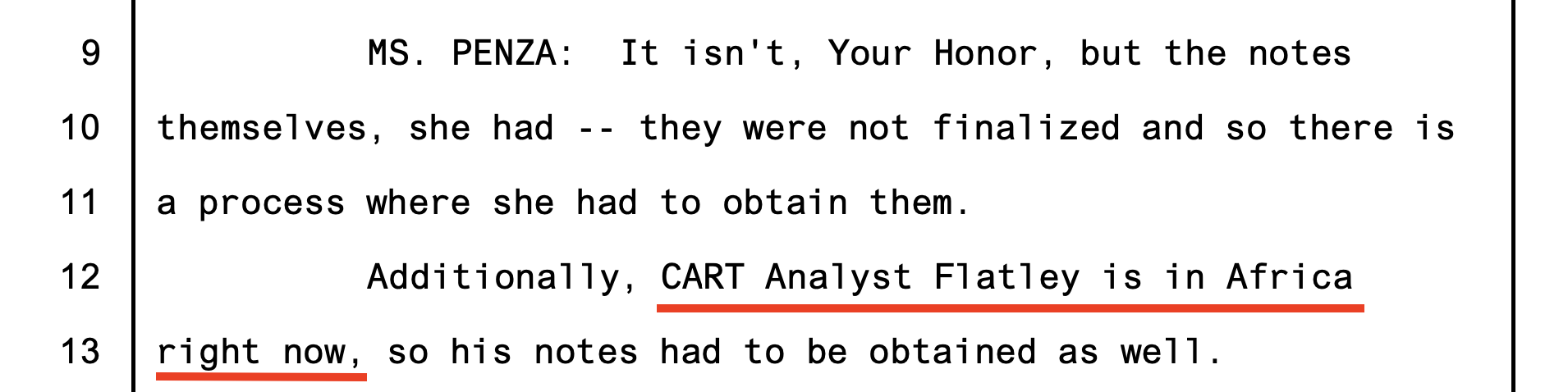
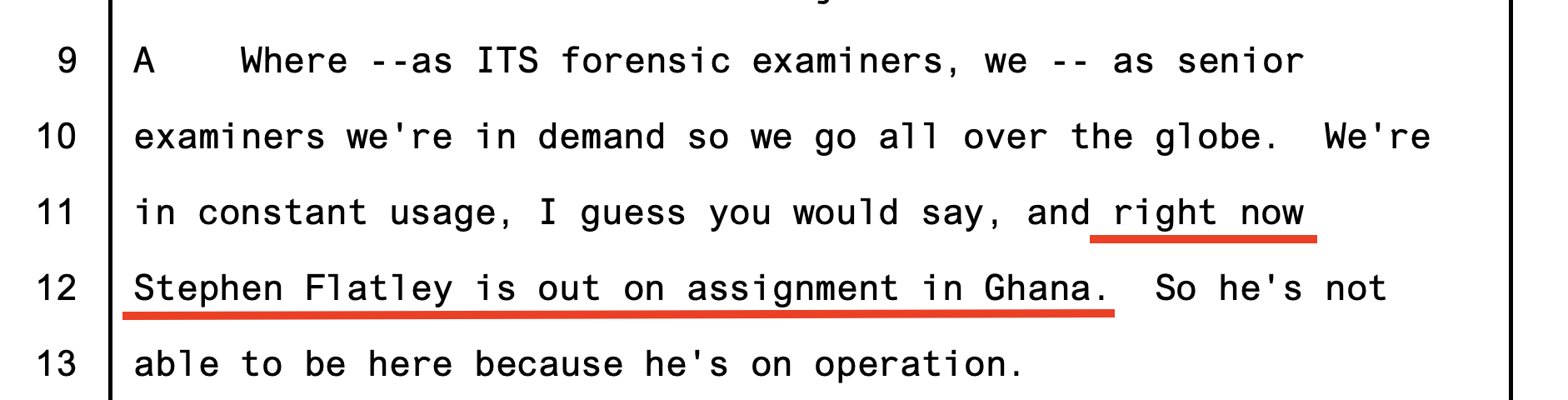
2. At trial, the prosecution said Flatley was in Ghana — right now.
When it came time for Flatley to testify, lead AUSA Moira Kim Penza told the court: "CART Analyst Flatley is in Africa right now." FBI examiner Brian Booth testified at trial: "Stephen Flatley is out on assignment in Ghana. So he's not able to be here."
A notarized letter from the Comptroller-General of Ghana's Immigration Service, obtained December 1, 2025, shows Flatley's complete travel history. He had been in Ghana — but in September 2018, seven months before trial began. His last recorded departure: September 28, 2018. No entries during the trial (May 7–June 19, 2019). And no entries since.
Did the FBI and prosecution lie to keep Flatley off the stand?
Walking through the proof
The government's ever-shifting story on the most serious charges.
1. Indictment: two acts of exploitation, on two separate dates.
The prosecution charged Raniere with two predicate acts of child exploitation — one for the alleged taking of nude photos on November 2, 2005 and one for the alleged taking on November 24, 2005.
Indictment — first charged date, November 2, 2005Indictment — second charged date, November 24, 2005
2. Trial (June 12, 2019): "18 or so images of child pornography."
AUSA Penza stated "18 or so images of child pornography." When Judge Garaufis asked, "And you're going to ask the jurors to look at all 18 images," she confirmed, "Briefly, your honor."
3. Four years post-trial (July 21, 2023): "at least nine ... were child pornography" — on a single date.
AUSA Hajjar now states only "at least nine … were child pornography" — all on a single date: November 2, 2005. The November 24 date — and a charged predicate act of exploitation — drops entirely.
4. 5.5 years post-trial (January 27, 2025): It was always "at least nine."
On appeal, AUSA Hajjar defends that it was always "at least nine [that] constituted child pornography" — despite the trial record where Penza said 18, said it once, and confirmed it on the record to the judge.
Sources
Indictment — two charged predicate acts, November 2, 2005 and November 24, 2005
Trial transcript p. 4861 — June 12, 2019 (Penza: "18 or so," confirmed to judge)
Doc. 1213, p. 6 — Post-trial filing, July 21, 2023 ("at least nine")
Dkt. Entry 61.1, footnote 6 — Appellate brief, January 27, 2025 ("always at least nine")
Walking through the proof
Garaufis denied a hearing using the Loveall report.
Judge Nicholas Garaufis (the same judge who issued a nationwide injunction overturning Trump's rescission of DACA) denied an evidentiary hearing into the planting and falsification — relying on a report by FBI Senior Computer Scientist David Loveall II.
Loveall never testified.
Never appeared in court. Never subject to cross-examination. Garaufis treated a single untested report from Loveall as dispositive over the unanimous findings of seven forensic experts (four former FBI).
His only other testimonial assignment in four years: Jack Smith's Mar-a-Lago prosecution of President Trump.
A date is required by 28 U.S.C. § 1746 to bind a declaration to the penalty of perjury. Loveall's report has none — not on the cover, not in the body, not anywhere. And his rebuttals are scientifically false: no methodology, no hash values, wrong identifiers, conclusions presented as findings without proof.
"Skill, patience, and restraint" — meet the actual record.
1. The cancer / tissue box / staring contest.
At a restitution hearing, Judge Garaufis mocked defense attorney Marc Fernich, whose mentor had just died of pancreatic cancer — motioned to a tissue box, told the clerk "give him this to go cry on," threatened arrest, and sat through a silent 30-minute staring contest.
Reported by Vanity Fair, July 2021.
2. The hostile reporter's reaction.
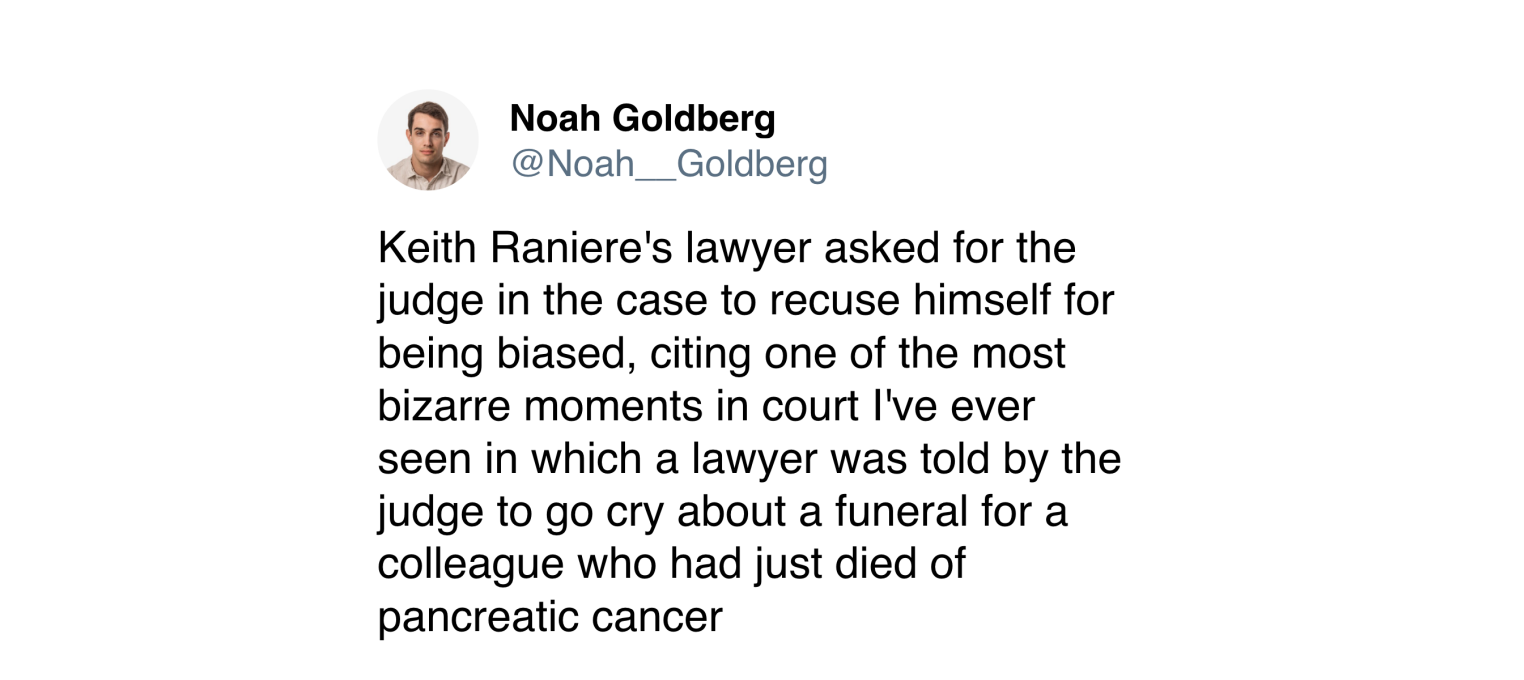
Noah Goldberg — a reporter openly hostile to Raniere in his coverage — tweeted in real time: "one of the most bizarre moments in court I've ever seen." The tweet has since been deleted; archived below.
On appeal, the Second Circuit panel, unprompted, commended Judge Garaufis for his "skill, patience, and restraint" — while affirming his denial of an evidentiary hearing into the documented evidence fabrication, again without ever requiring Loveall to testify or be cross-examined.
4. Two of the affirming appellate judges have ruled against Trump.
FBI agents staged scenes — weeks before any indictment.
What an FBI search is supposed to do.
An FBI search documents what's at a property. Not what agents bring. Not what agents arrange. Not what agents photograph and walk away from.
A starker version, for clarity.
Imagine officers searching the home of a stabbing suspect. They bring knives. They place one under a pillow. They open the freezer, dip another in thawed meat juice, and set it on the counter. They photograph each placement. They walk out without taking any of the knives.
The photographs go to the jury.
That isn't a search. That's stage construction.
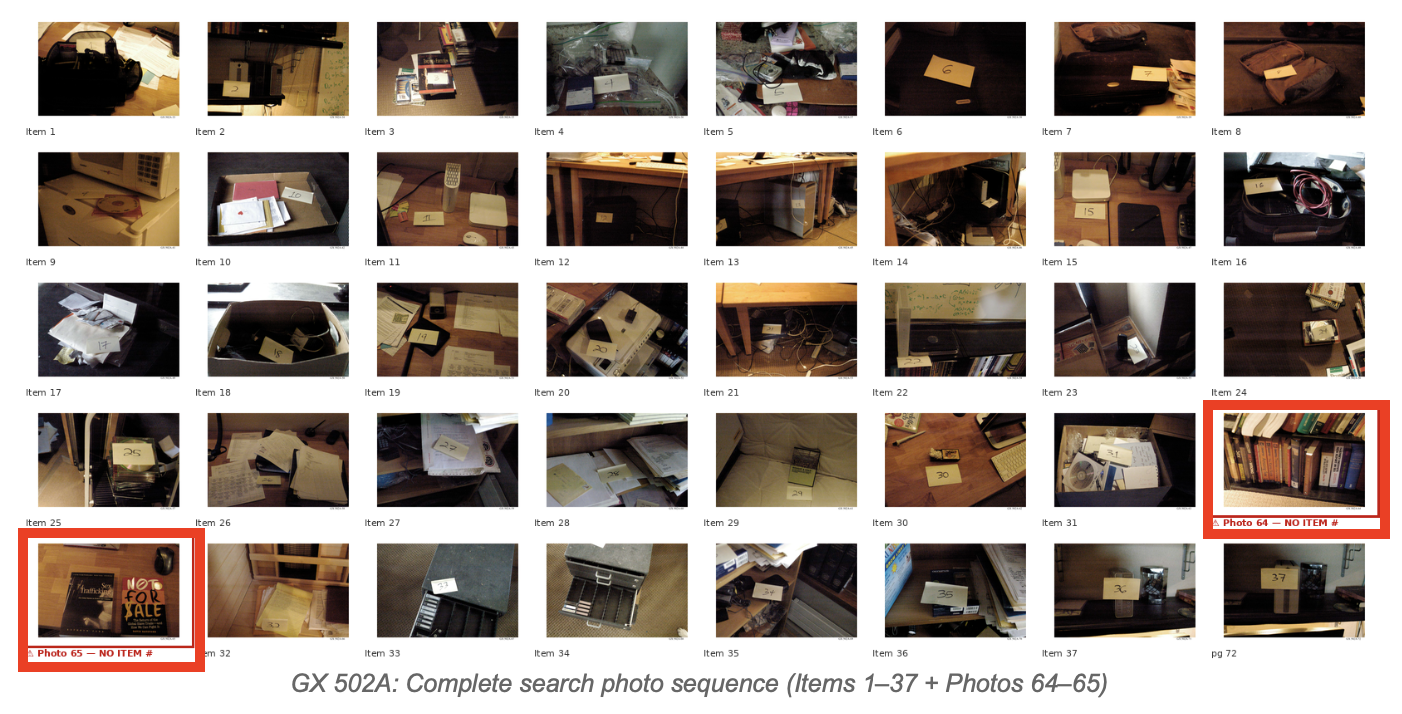
The FBI's own sequential search photographs in U.S. v. Raniere document this kind of stage construction — twice — weeks before Raniere was charged. Independently verified by two former FBI experts with 43 years of combined service. GX 502A.
The warrant: what was authorized.
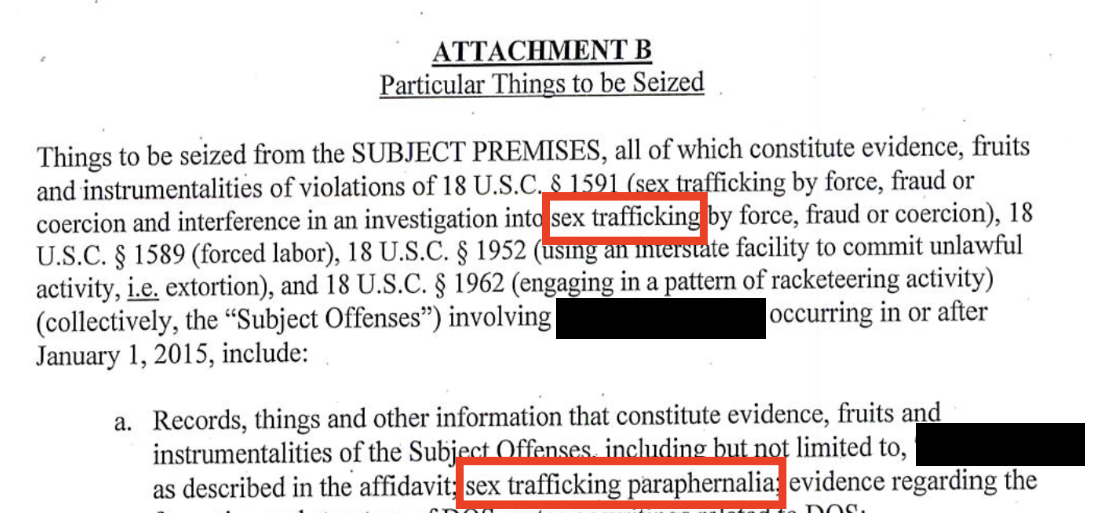
The search warrant (Attachment B) expressly authorized seizure of "sex trafficking paraphernalia" and digital photographic evidence. Both items below fall directly inside that authorization. Both were photographed for the official record. Neither was collected.
Constructing the bookshelf scene.
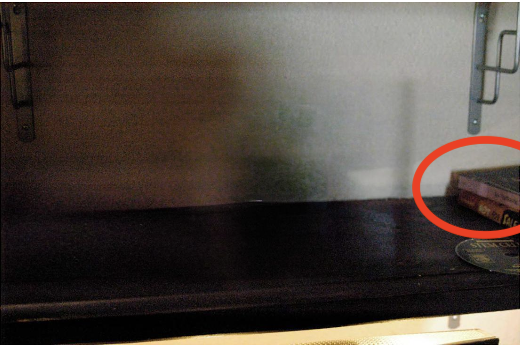
Two books appear in the FBI's official search photographs that were not at the property at the start of the search:
Sex Trafficking: The Global Market in Women and Children
Not For Sale: The Return of the Global Slave Trade
The FBI's search photographs are sequential. Each photo numbered. Each item identified, labeled as evidence, and collected — one after another, all the way through the search.
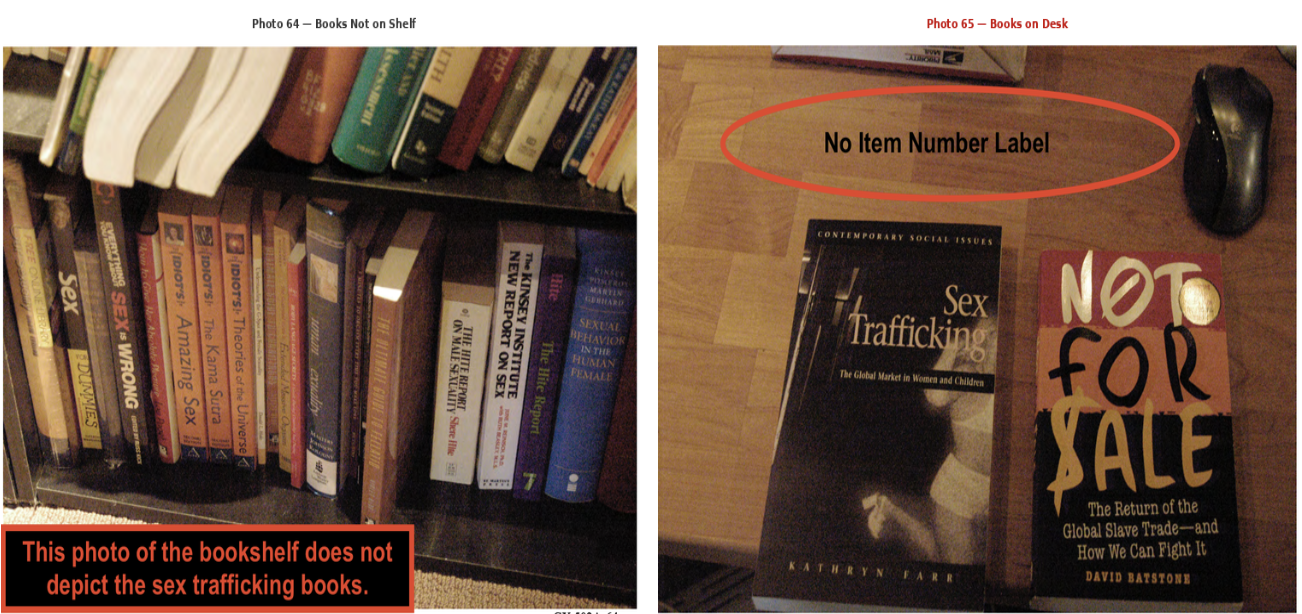
Then, near the end of the sequence, two photos break the pattern. Between Item 31 and Item 32, two photos appear with no item label: photo 64 (a bookshelf) and photo 65 (the two books, on a desk).
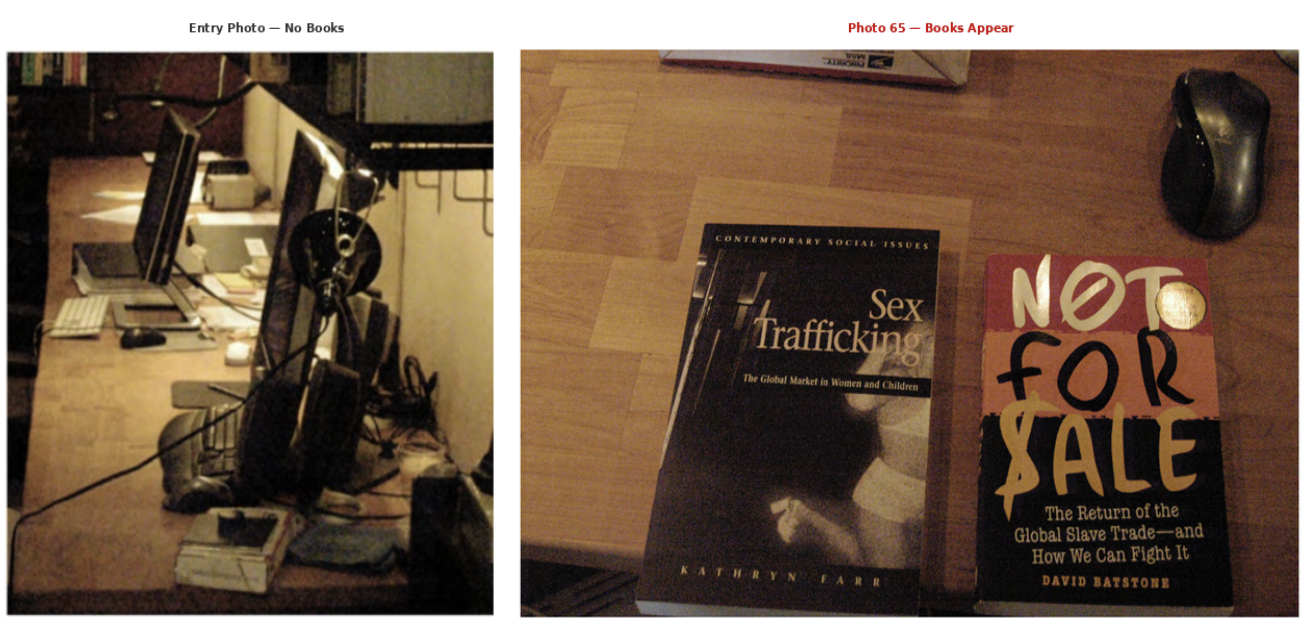
The books simply appear — from who knows where. The desk in the entry photo is clear. The books show up in photo 65. No in-place photograph. No item label.
The photo log says they "came from the bookshelf." Photo 64 of that same bookshelf shows no sex trafficking books on it.
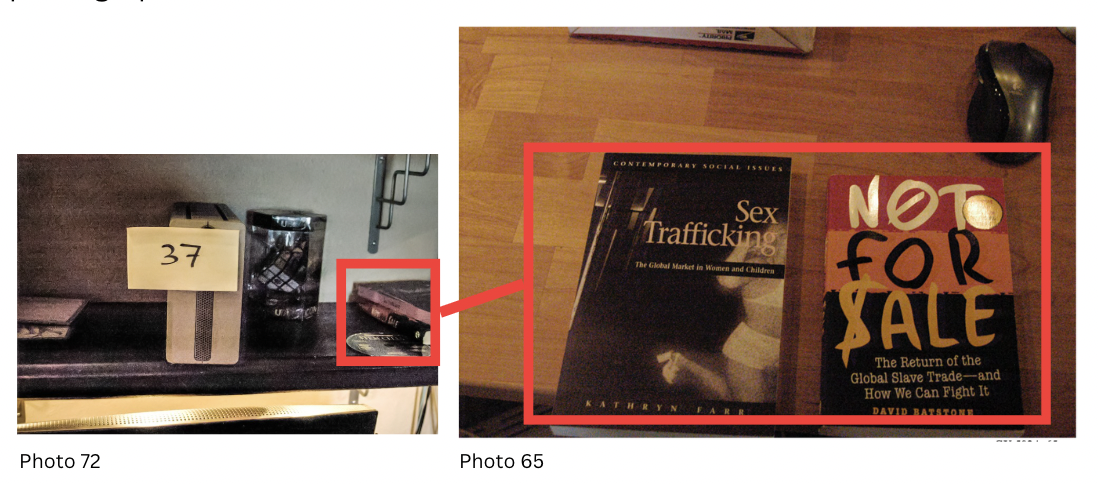
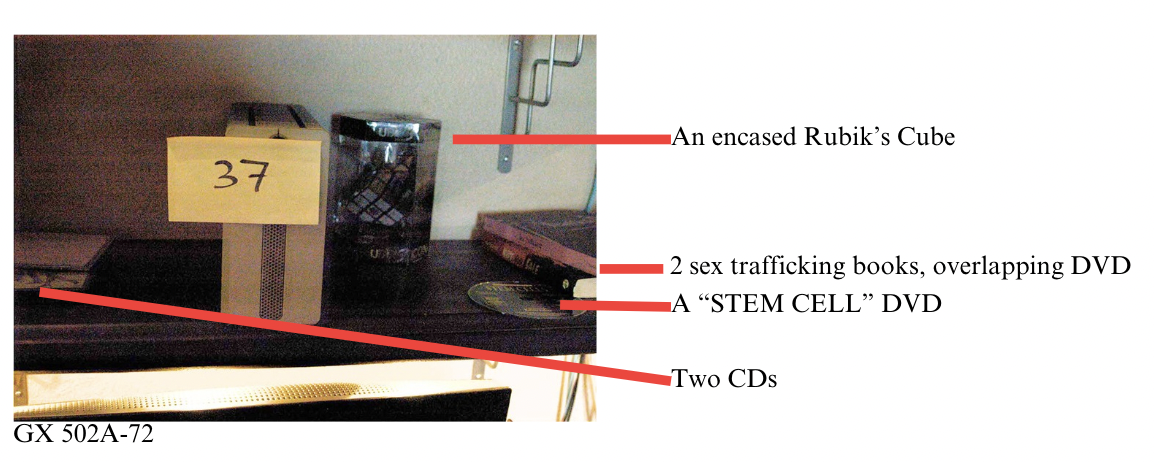
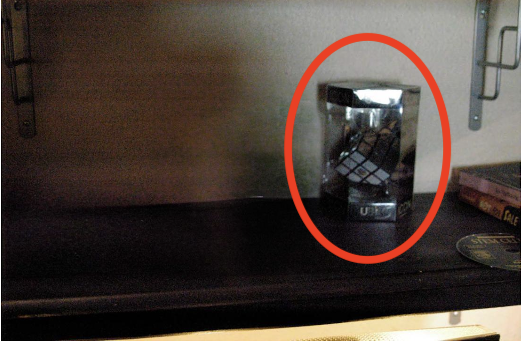
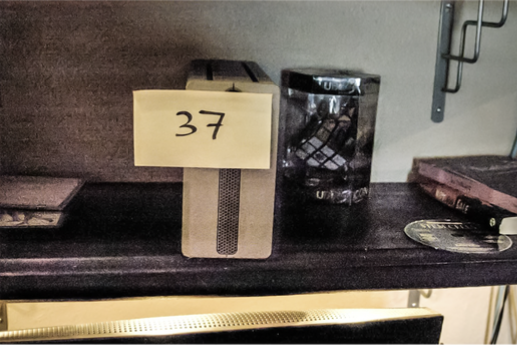
Later in the search — at the very end of the Item sequence — the books reappear. Item 37 (photo 72) is the final photographed item. The books are now on the bookshelf, alongside a Rubik's Cube and a "STEM CELL" DVD — as if part of the natural shelf decor.
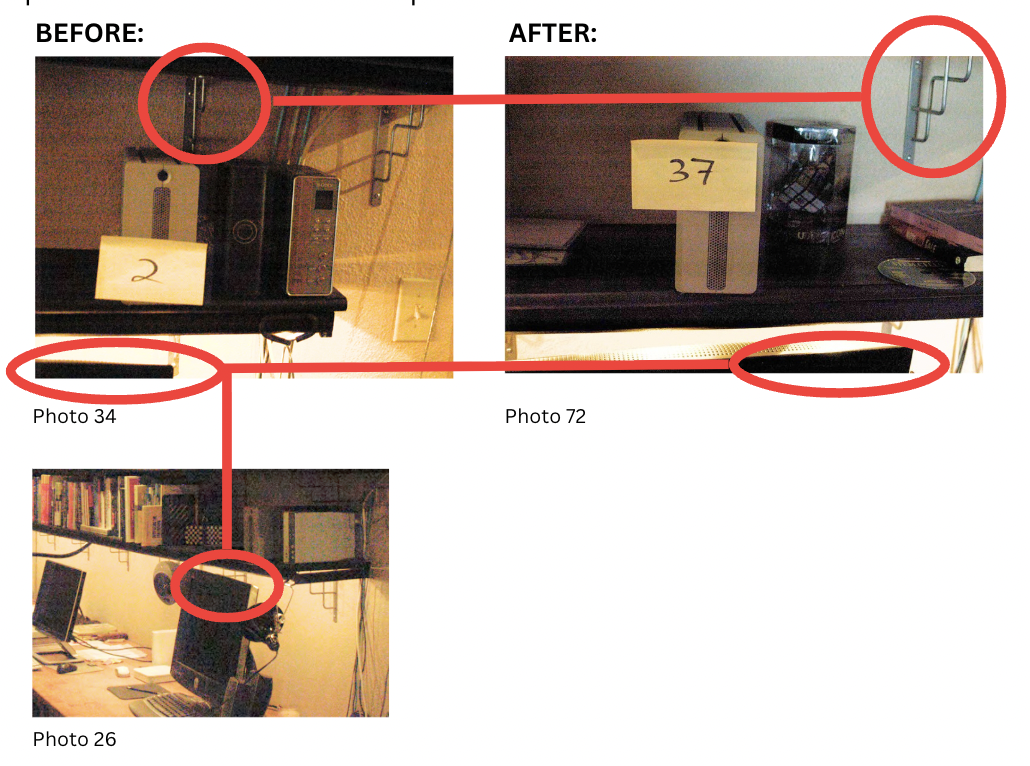
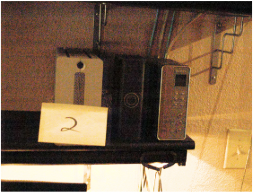
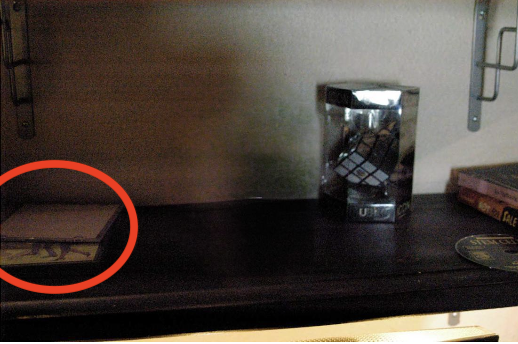
Compare photo 34 (the same bookshelf, with Item 2 in place) to photo 72 (same bookshelf, post-staging): same wall brackets, same monitor edge, same wires — same exact spot, completely different arrangement.
The A→B reconstruction: what had to happen between the two photos.
Steps 1 and 7 are real FBI search photographs. Steps 2–6 reconstruct the intermediate actions required to get from one to the other.
Step 1 · A · Real FBI photo
The bookshelf, photographed with 3 devices on it.
Step 2 · Reconstructed
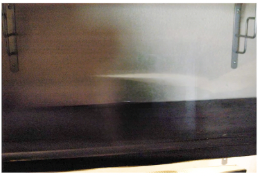
An agent clears off the bookshelf.
Step 3 · Reconstructed
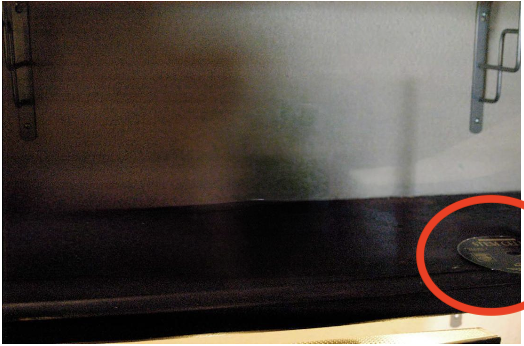
An agent places a caseless DVD titled "STEM CELL" on the shelf.
Step 4 · Reconstructed
An agent positions the 2 sex trafficking books on top of the DVD.
Step 5 · Reconstructed
An agent places an encased Rubik's Cube of unknown origin on the shelf.
Step 6 · Reconstructed
An agent places 2 CDs of unknown origin on the shelf.
Step 7 · B · Real FBI photo
An agent adds the LaCie hard drive back. The arranged shelf is photographed (Photo #72).
The books were never collected.
No item number. No chain of custody. No in-place photograph. Photographed for the record, then walked away from.
The warrant explicitly authorized seizure of "sex trafficking paraphernalia." Two books on sex trafficking, at a sex trafficking site, in a sex trafficking case — would be the single most relevant physical evidence at the search. They weren't even labeled.
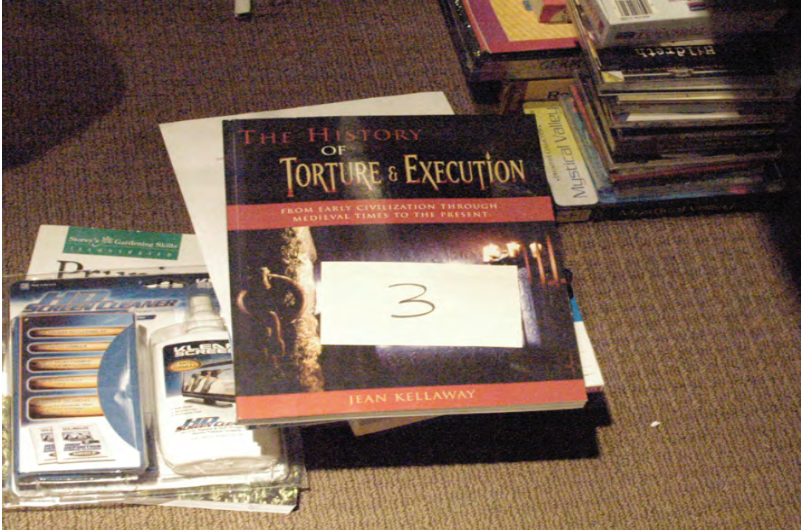
Compare: A History of Torture — a book at the same location, far less central to the case — was labeled Item 3 and seized.
Constructing the countertop scene.
Same conduct. Different items. Different room.
The warrant targeted electronic devices — including those that could contain digital photos — as central to the case. Item 1 collected was a Canon EOS 20D (whose memory card was later proven falsified — see Hooks 5–7).
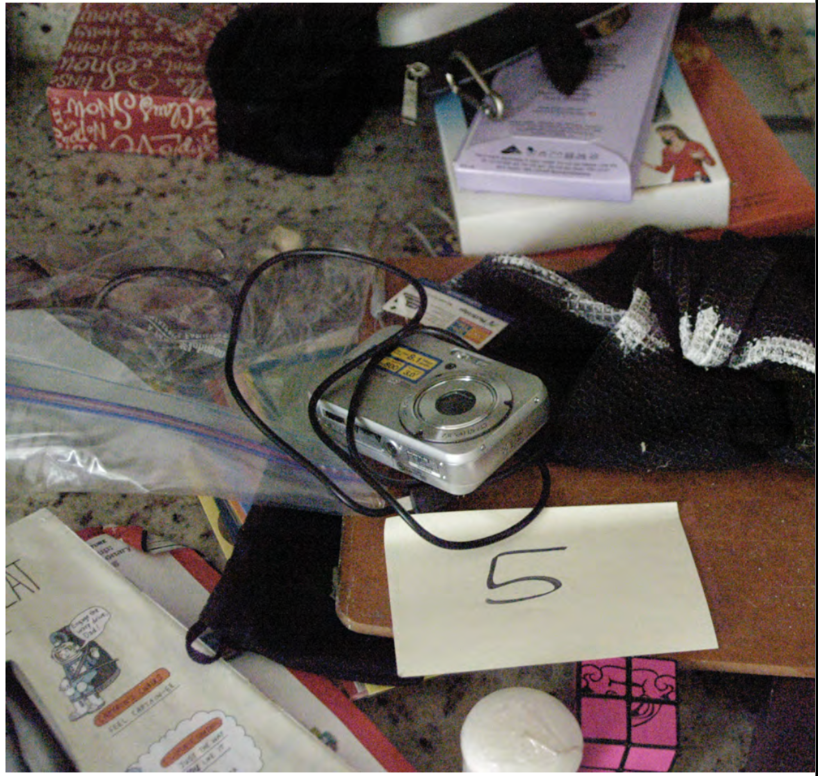
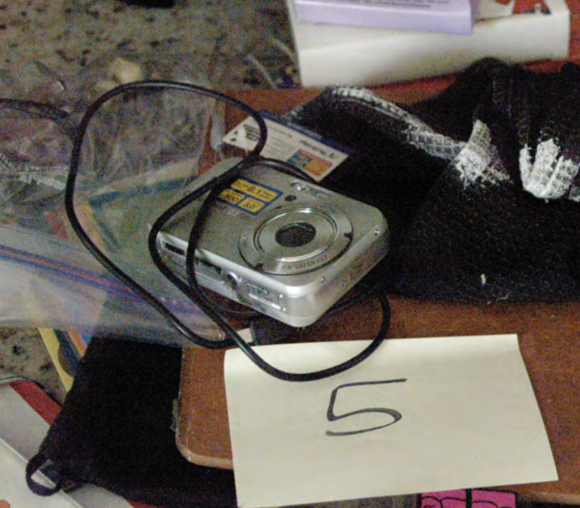
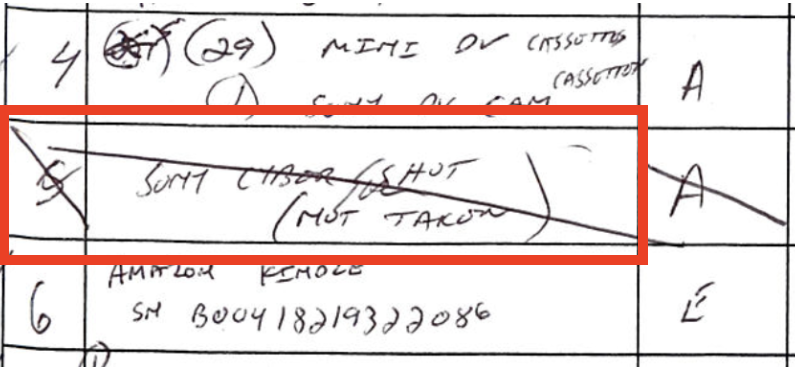
The only other camera documented at the scene: a Sony Cybershot, labeled Item 5, photographed on a downstairs countertop.
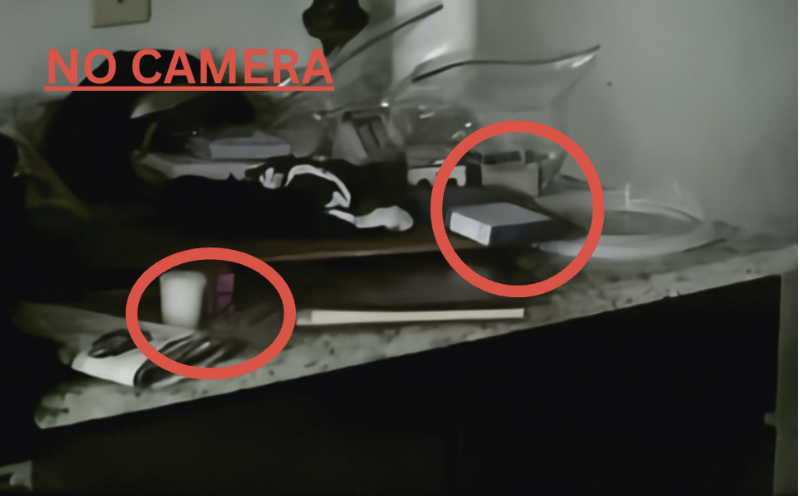
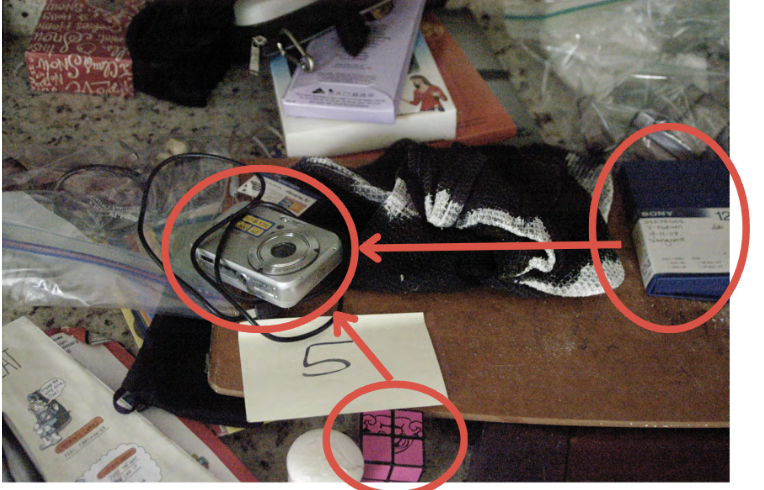
The camera wasn't there at the start. The same countertop, photographed earlier in the search: no camera. It simply appears.
Earlier — no camera on the countertopLater — camera appears, surrounding items unchanged
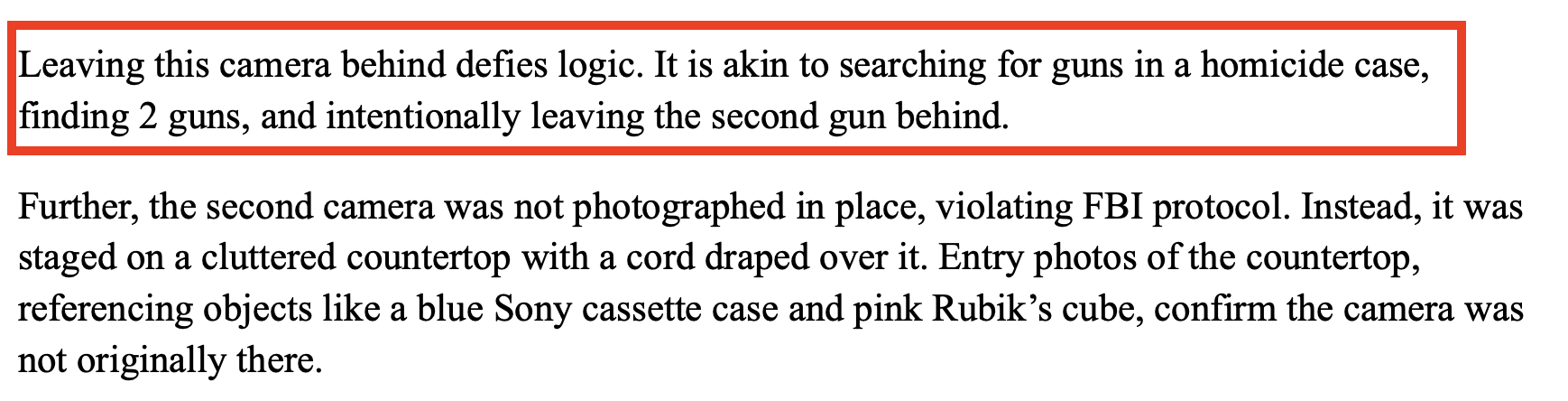
Not a "for clarity" shot. Clarity shots are taken on isolated, uncluttered surfaces. This camera was placed on a cluttered countertop with a cord draped over it — staged to look as if it had always been there.
Partially logged. Never collected. A digital camera, at a search whose warrant expressly targeted digital photographic evidence, was photographed and walked away from.
The expert.
Kenneth DeNardo: 23-year FBI Evidence Response Team photographer, hundreds of FBI searches conducted in his career. His independent review of the search photographs concluded:
"Based on my experience conducting hundreds of searches, I conclude that the only plausible explanation is that these 2 books on sex trafficking were planted to create an incriminating and prejudicial narrative."
"Based on my professional experience, the only plausible explanation for these actions is that this camera was planted to create a staged and false narrative."
What this means.
The FBI's official search photographs are supposed to document what was at the property. In this case, they document what agents arranged to be at the property — items the agents themselves did not collect, with no chain of custody, presented to the jury as if found in place.
This was a sex trafficking prosecution. The only "sex trafficking" physical evidence at the search site was staged.
The warrant explicitly targeted digital photographic evidence. A digital camera at the search site was staged.
What "sex trafficking" actually meant in this case.
The federal sex trafficking statute (18 U.S.C. §1591)
Requires causing a person to engage in a commercial sex act by force, fraud, or coercion (or with a minor). "Commercial sex act" requires "anything of value" given to or received by any person.
Count 10: "Attempted Sex Trafficking" — 40-year sentence
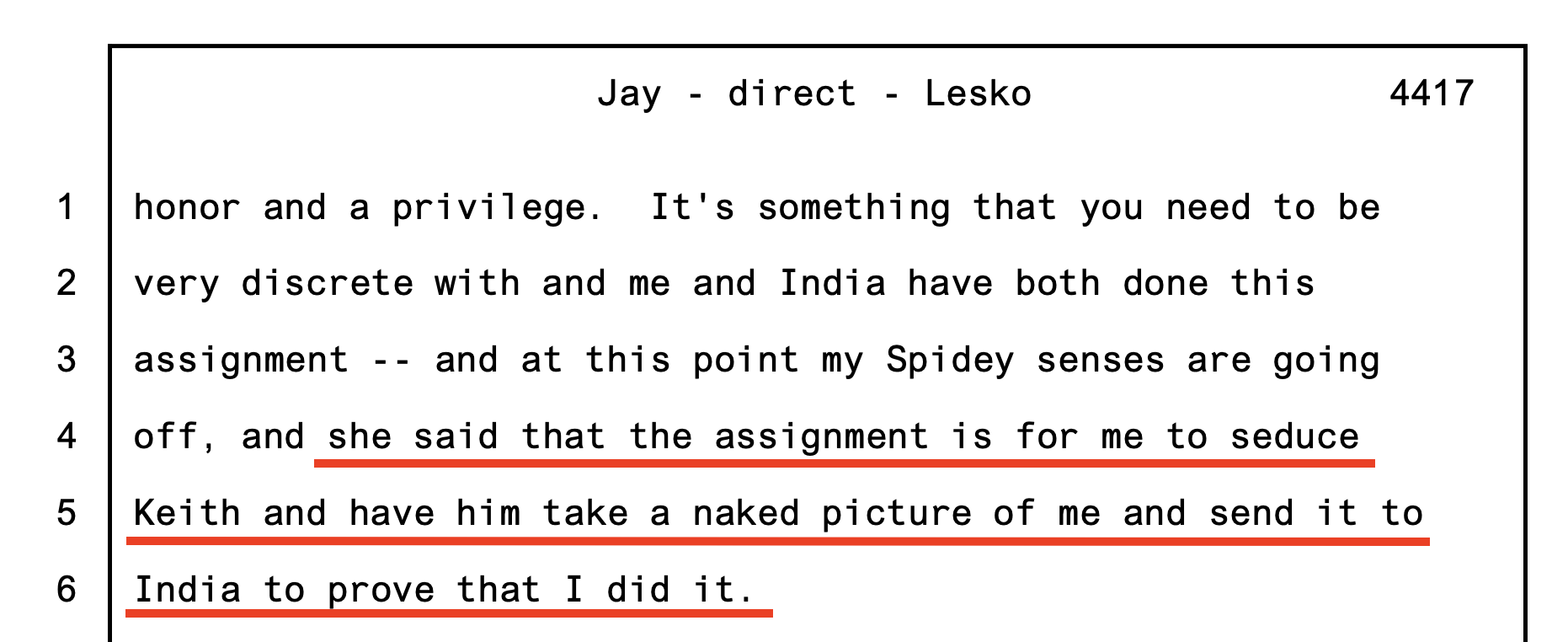
Jay — a 27-year-old Los Angeles actress, a member of the women's group, and an acquaintance of Raniere — was told by Allison Mack to ask Raniere to take a nude photo of her.
The government's theory of coercion rested on "collateral" the women had previously provided when joining the group.
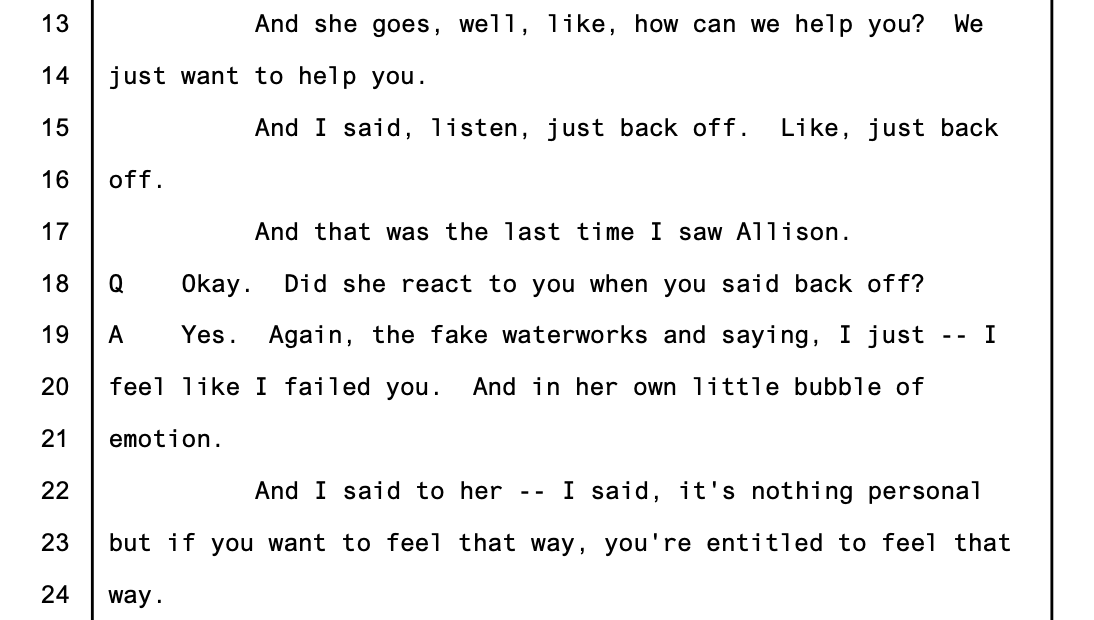
Jay never did it. Under the government's own direct examination, Jay confirmed she did not do the assignment. (Trial June 11, 2019, p. 4424.) The last time she saw Allison, she told her to back off — and that was it. Nothing else ensued. (p. 4440.)
Counts 8 & 9: Sex trafficking + conspiracy — two concurrent 40-year sentences
Nicole — a 29-year-old actress living in Brooklyn who was taking classes in the acting program created by Allison Mack and Keith Raniere — was told by Mack to go on a walk with Raniere and do whatever he wanted.
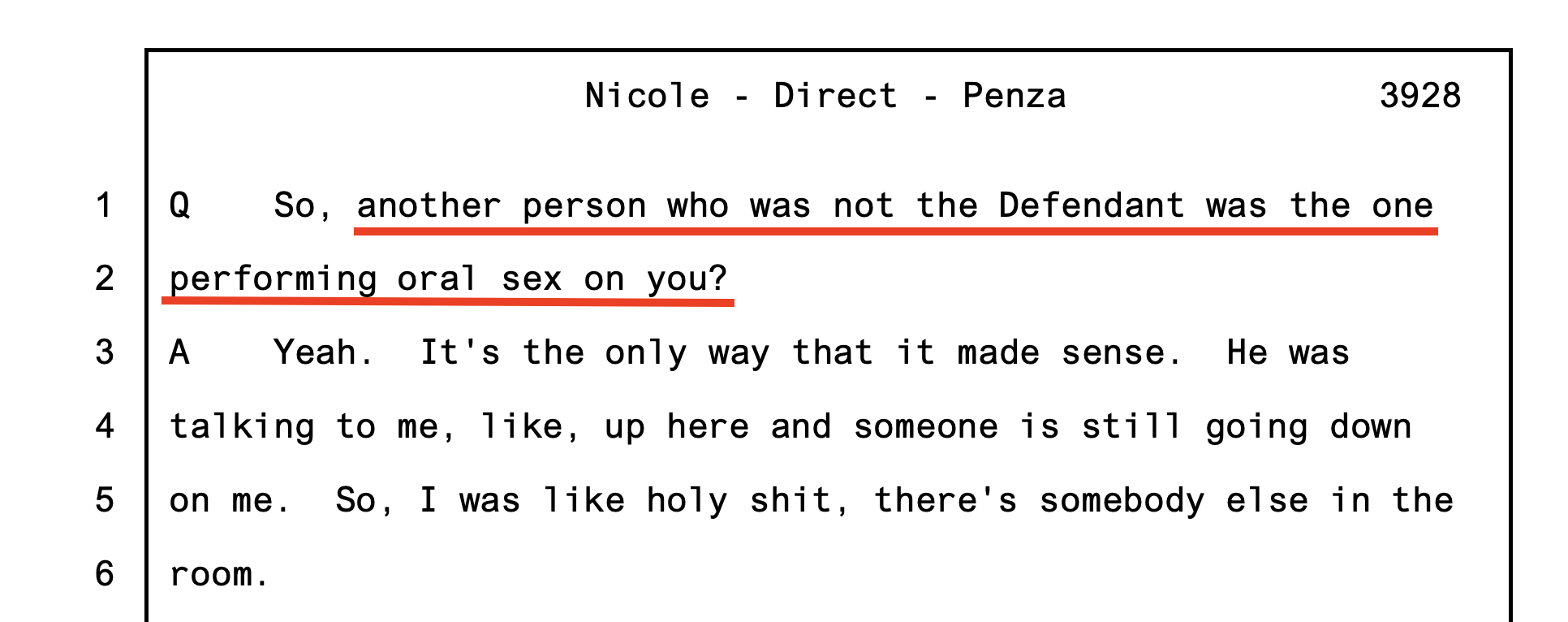
The encounter ended with Nicole — blindfolded and tied to a table — receiving oral sex from another person (a woman). Raniere did not participate in the sex act.
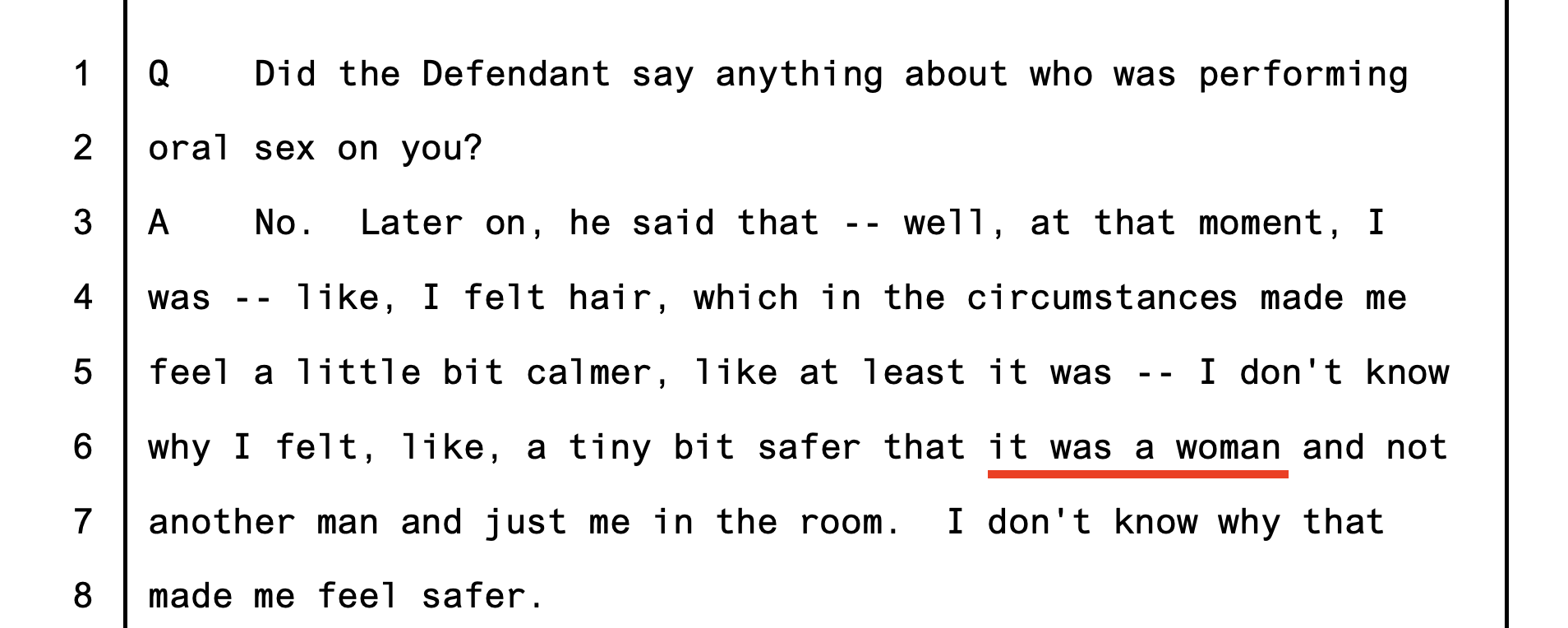
Nicole testified Raniere told her afterward that the other person was a woman.
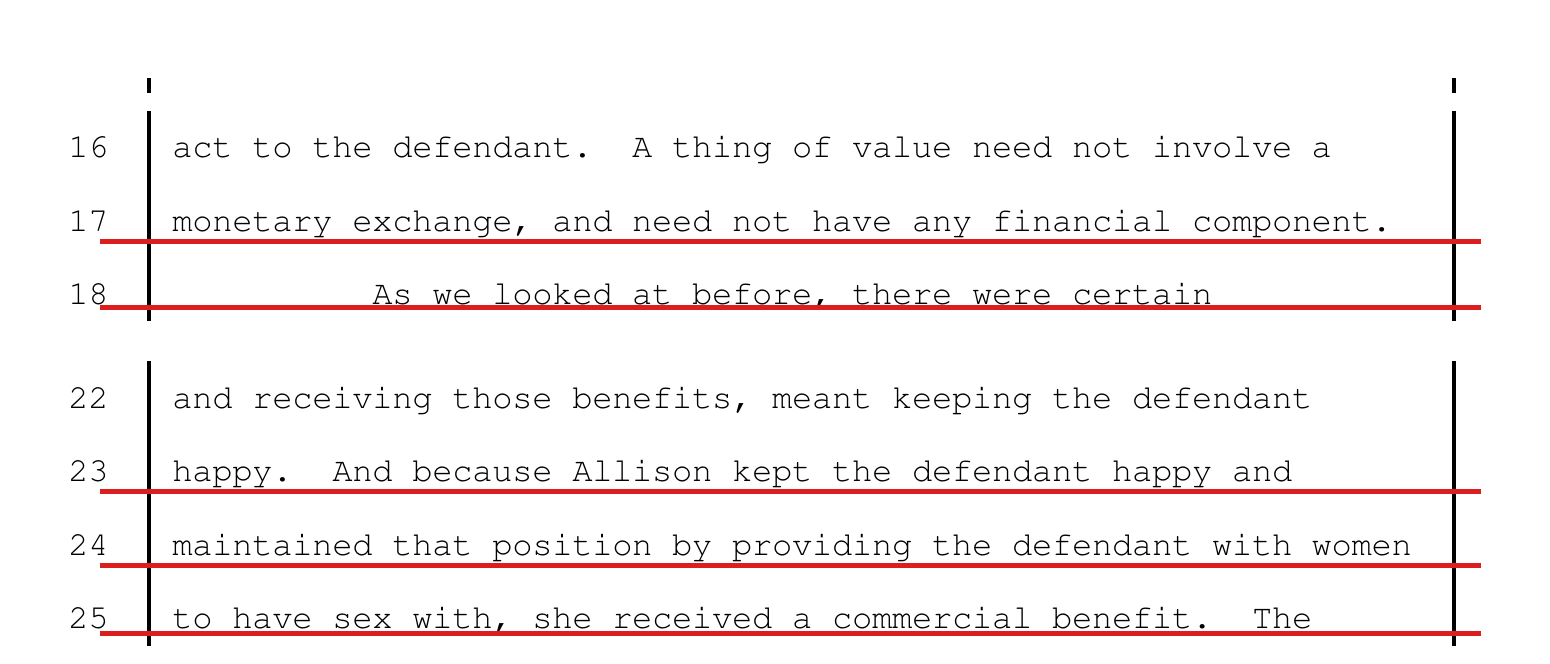
No money changed hands. The "commercial benefit" element required for federal sex trafficking: the prosecutor argued Mack received a "thing of value" by making Raniere happy and gaining social standing in his inner circle.
Two concurrent 40-year sentences for a single incident where a woman received oral sex from another woman, and the "commercial benefit" was making someone happy.
When you hear "sex trafficking," do you picture a woman being told to take a nude photo and refusing — nothing happening? Do you picture a woman receiving oral sex from another woman, once, with no money involved? That is the entirety of the "sex trafficking" conduct.
Sources
Jay trial testimony (June 11, 2019), pp. 4424, 4440
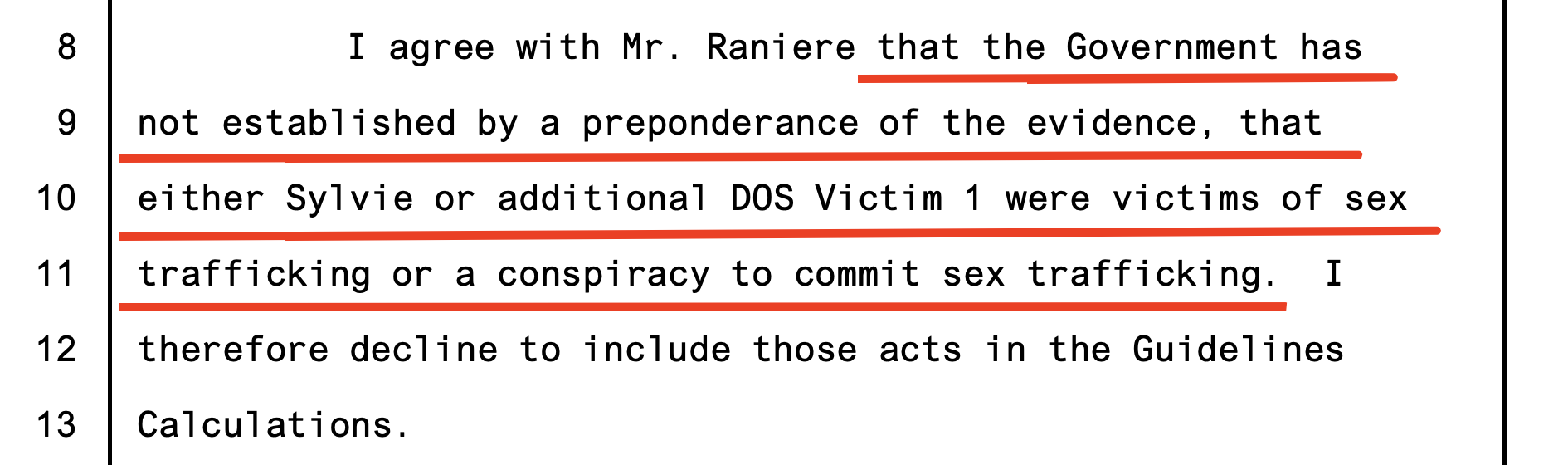
Sentencing Order (Garaufis, J.) ruling Sylvie not trafficked — not even under preponderance standard (PDF)
Nicole trial testimony, Tr. 3928–3929
Government closing argument, Tr. 5414 — commercial benefit = keeping Raniere happy
Judgment, Dkt. 969 — 40 years on Count 10; 40 years concurrent on Counts 8 & 9
Walking through the proof
Not a deportation. A staged international takedown.
EDNY leaked sealed, extraditable "sex trafficking" charges to mobilize the Mexican government into an armed takedown under a false "fugitive in hiding" pretext — while the US itself had already handed Mexican authorities a dossier with his address, workplace, and walking route. Then they wrote it up for the court as a routine Mexican deportation.
1. EDNY told the court he was a "fugitive in hiding."
EDNY represented to the court that Raniere was a "fugitive in hiding" and that they had coordinated with Mexican authorities for six weeks to locate him. (EDNY March 26, 2018 detention letter.)
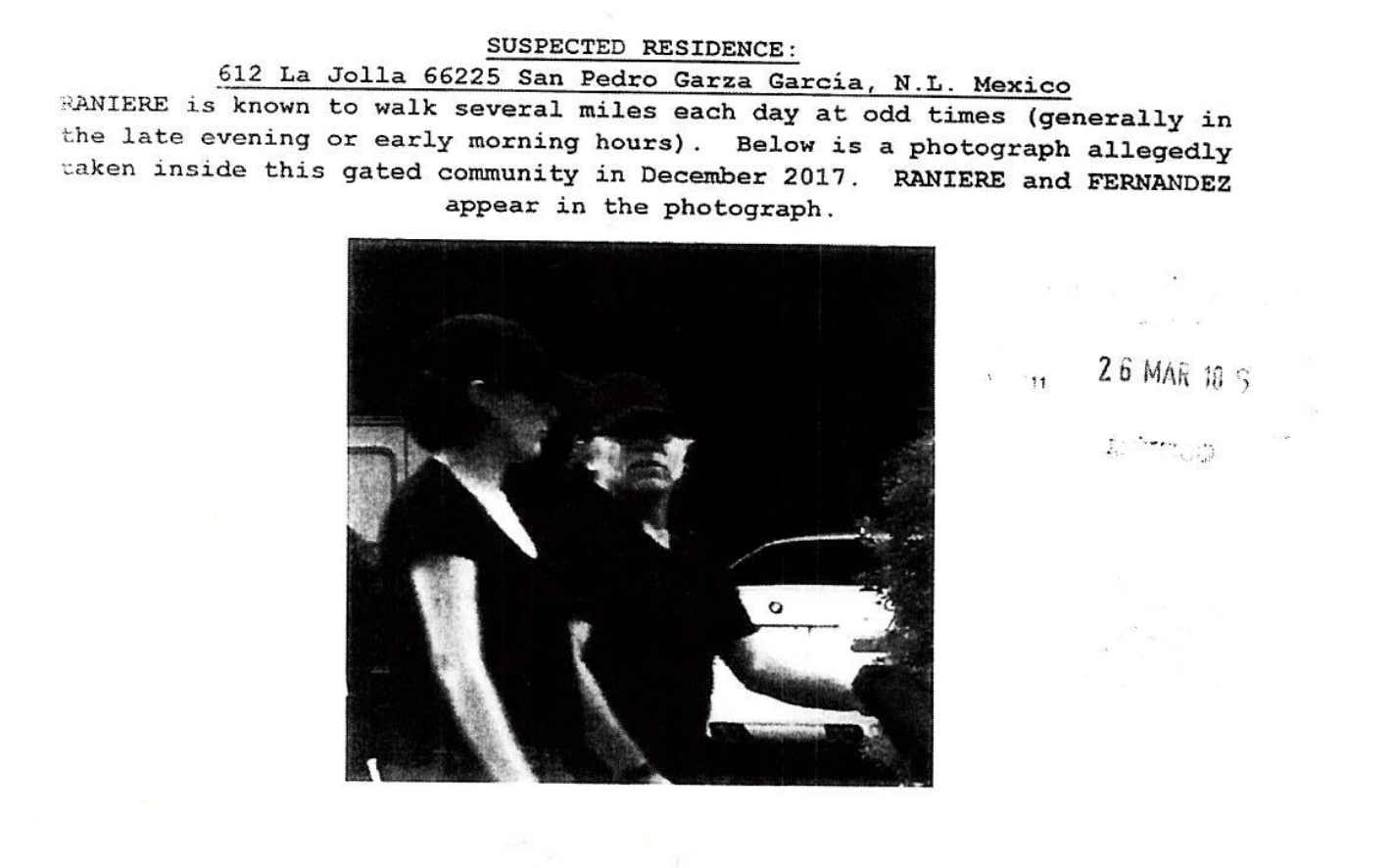
2. The US dossier handed to Mexico said the opposite.
EDNY's own dossier — the one they handed to the Mexican government — listed Raniere's home address, workplace, partner, the restaurant he frequented (Taller Veganico, a Tripadvisor-listed Monterrey vegan restaurant), and a note that he was "known to walk several miles each day at odd times," with street photographs. You cannot be in hiding and be that findable.
3. EDNY violated the court's sealing order.
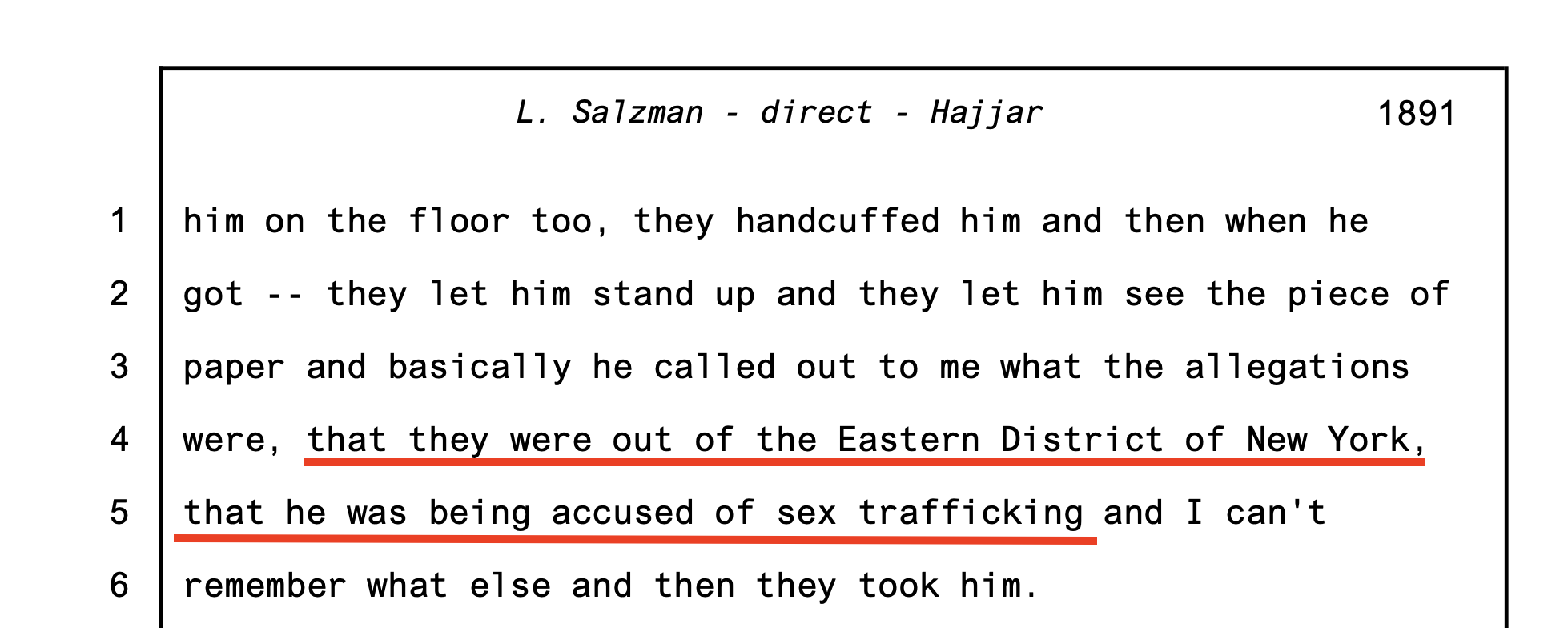
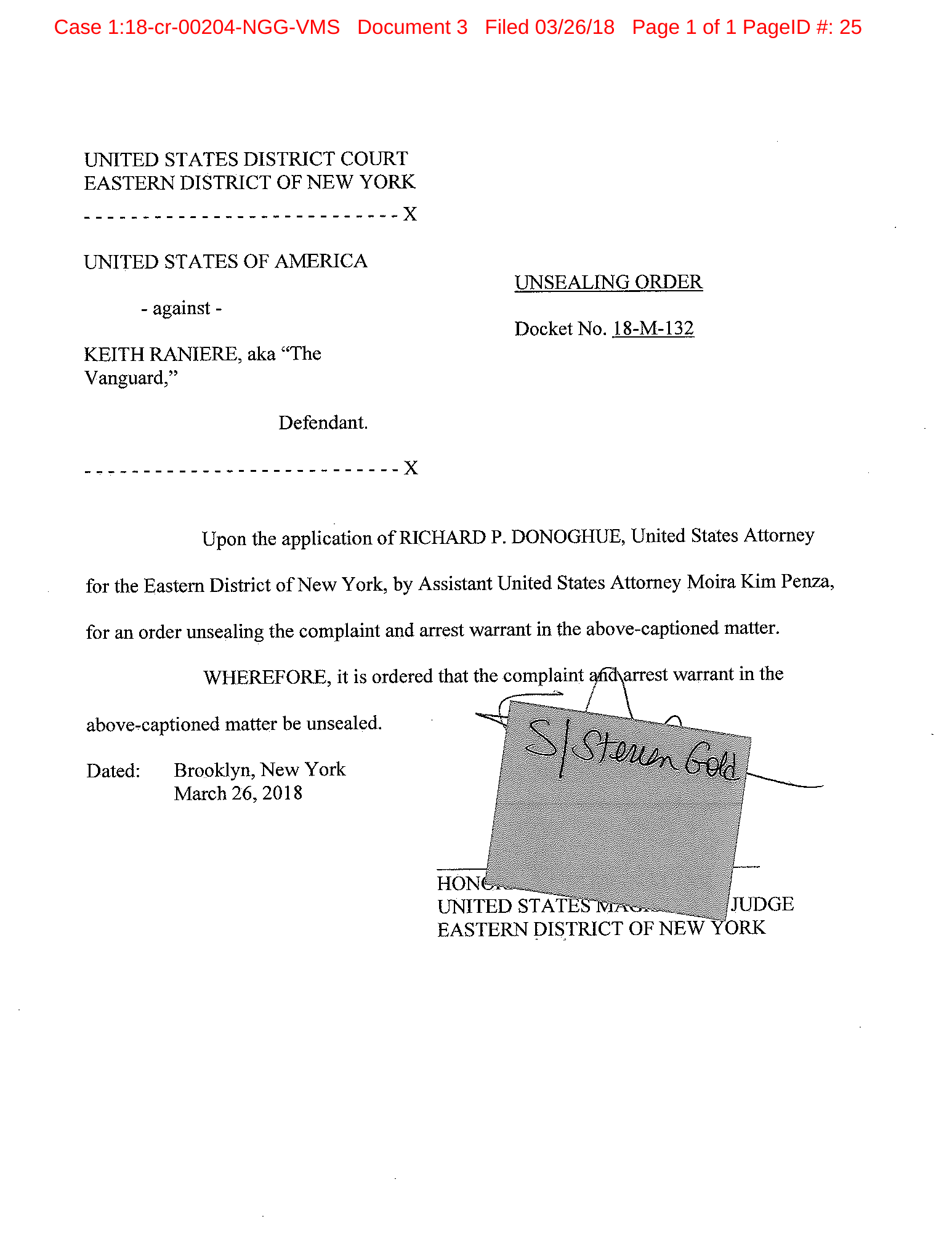
Per Lauren Salzman's trial testimony, Mexican authorities presented Raniere with the EDNY charges on March 25, 2018 — one day before the unsealing order was signed (March 26, 2018, by Magistrate Judge Steven Gold). EDNY leaked sealed charges to a foreign government — a direct violation of the court's sealing order.
Salzman testimony — March 25, 2018Unsealing order — March 26, 2018
4. The FBI booked the flight before any Mexican deportation order issued.
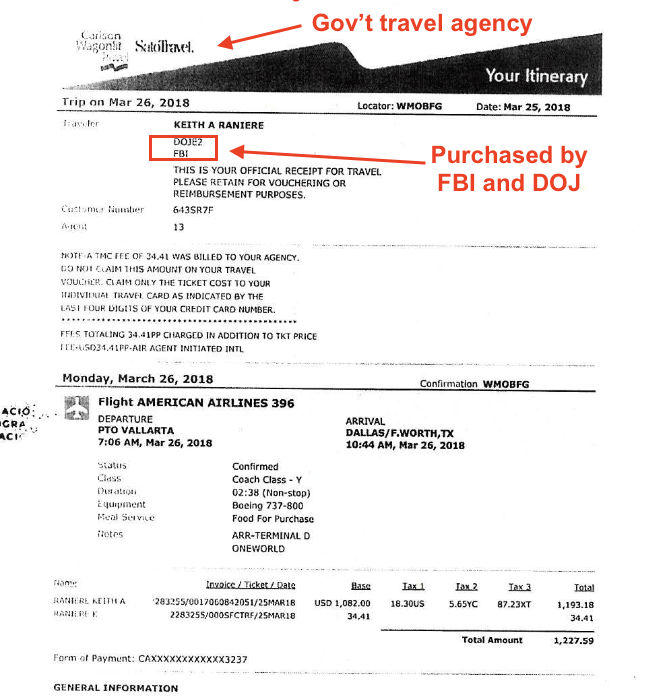
The same day Mexican authorities presented the sealed charges, the FBI purchased Raniere's commercial flight back to the US for the next morning — before any Mexican deportation order had been issued. Receipt is in the FBI's name: PVR → DFW, 7:06am March 26. A routine Mexican deportation does not involve the FBI booking the commercial seat.
Mexican paperwork lists the apprehension as a domestic "visa check." The visa check was performed by armed balaclava men who presented the sealed EDNY charges to Raniere.
6. The story to the court vs. the story to the public.
To the court: EDNY framed the arrest as Mexican immigration officials encountering an "uncooperative" subject who had "purposely concealed his location" — covering up the EDNY orchestration that actually drove it.
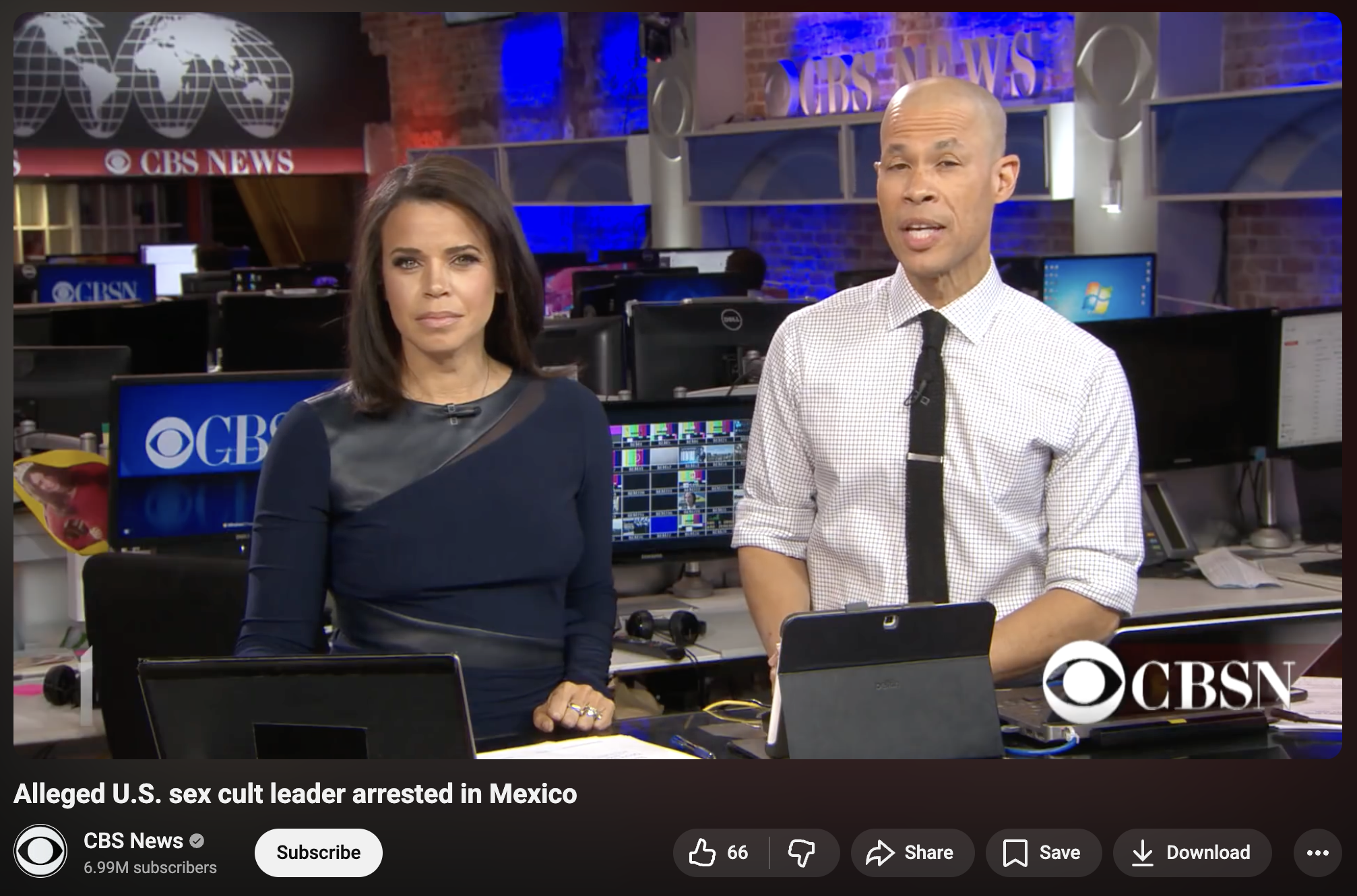
To the public: Media coverage (CBS News and others) portrayed a dramatic international apprehension of a fugitive sex-cult leader — exactly the narrative EDNY needed to seed the rest of the case.
Sources
EDNY March 26, 2018 detention letter ("fugitive in hiding")
This shows how the prosecution fed falsehoods to the media that became cemented as if proven in court — permanently poisoning the public record of a federal case.
Witness list — no allegation made by any witness at trial
NPR, TIME, CBS, Guardian articles linked above
Donoghue January 6 Committee testimony (CNBC report)
Walking through the proof
NYSP-verified hacking by major anti-Trump media.
Computer trespass confirmed by law enforcement, IP-traced and verified by New York State Police to three media conglomerates and a Vanity Fair writer.
1. Dow Jones / Wall Street Journal.
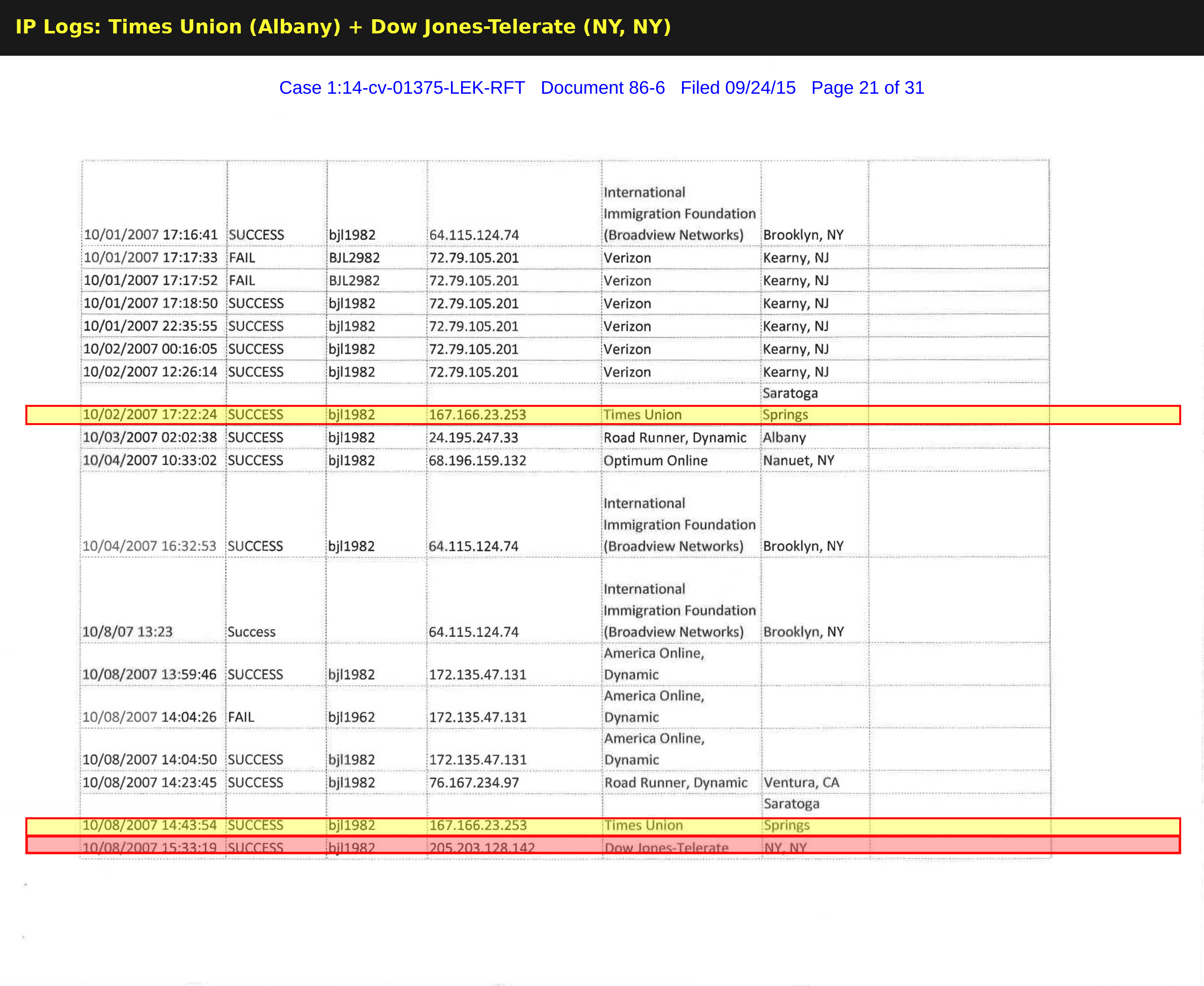
IP addresses from the Dow Jones–Telerate corporate network (New York, NY) were logged accessing NXIVM's password-protected database without authorization, on specific dates and times captured in the server logs, and forensically confirmed by NYSP. (Case 1:14-cv-01375, Doc. 86-6.)
Trump connection: President Trump is currently in a $10 billion defamation suit against Dow Jones over the "Epstein letter" story.
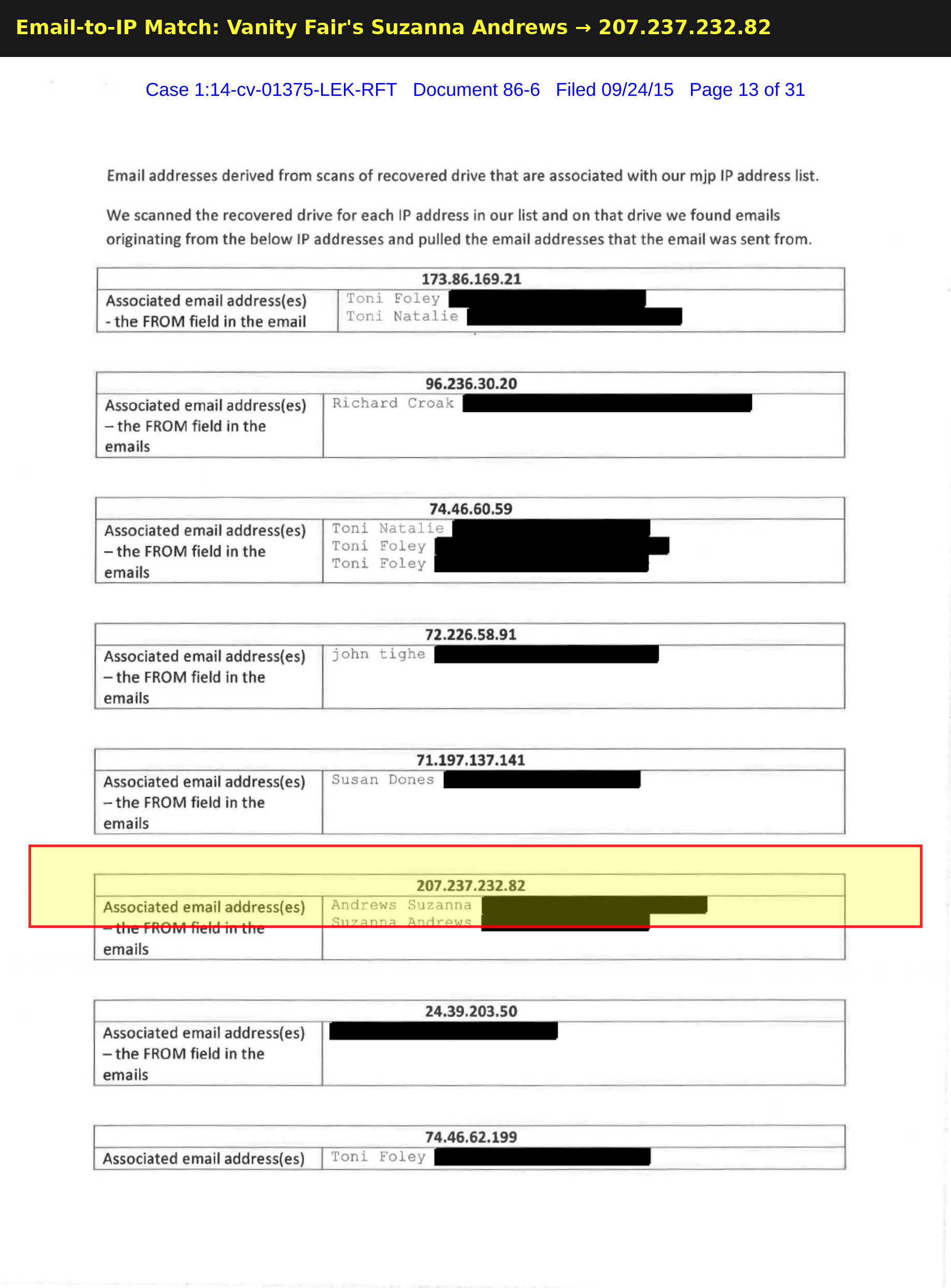
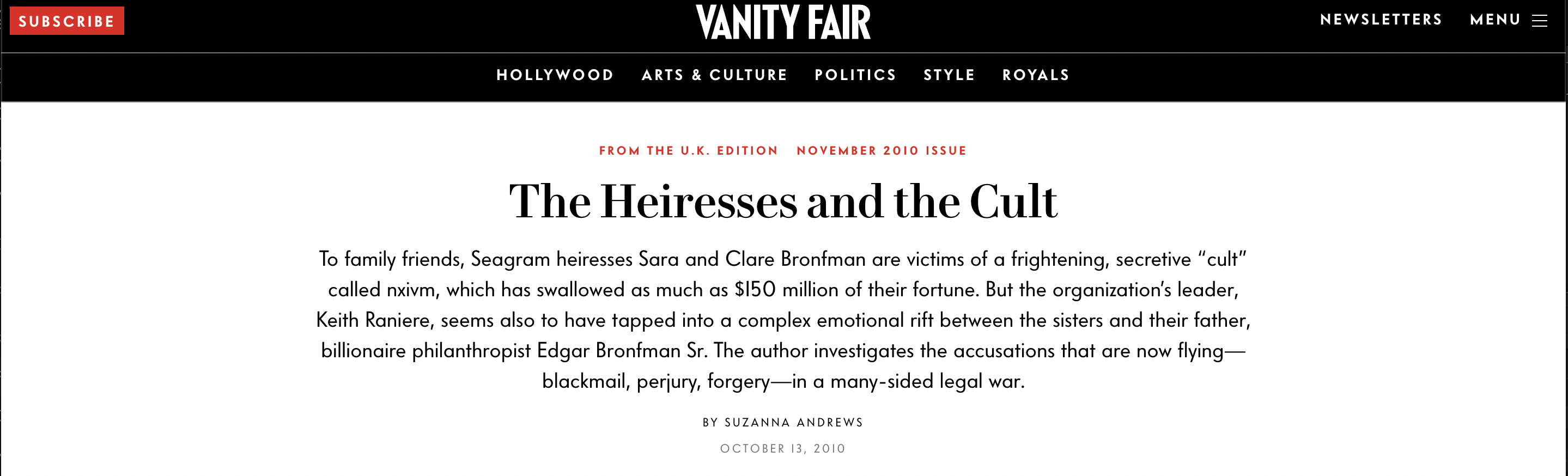
IP 69.2.120.11 (Advance Publications, NY) was confirmed on NXIVM servers by NYSP. Vanity Fair writer Suzanne Andrews, whose IP (207.237.232.82) was matched via email header to the intrusion log, went on to author "The Heiress and the Cult" hit piece (November 2010) — one of the foundational media narratives that drove public perception of the case before charges were ever filed.
IP address 167.166.23.253, belonging to the Times Union network (Saratoga Springs, NY), was logged accessing NXIVM's password-protected database and confirmed by NYSP.
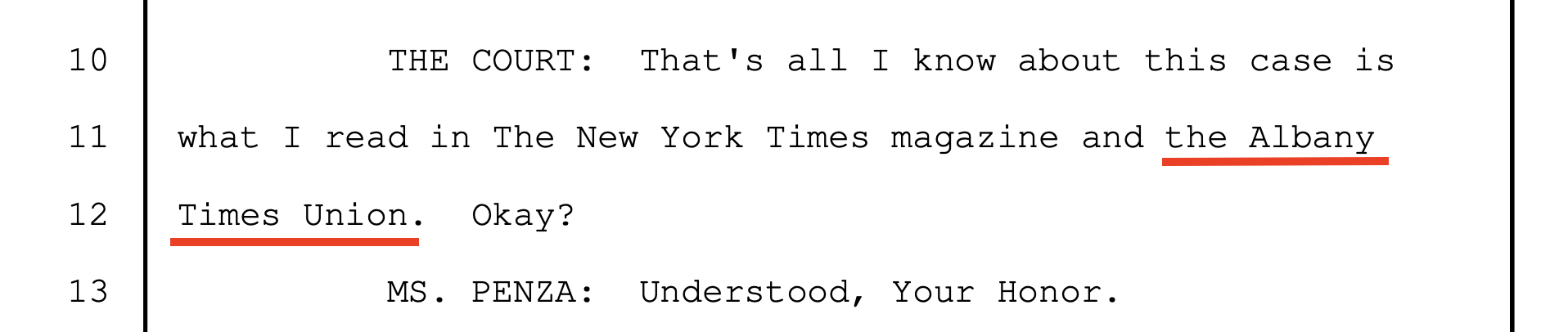
What makes this one especially devastating: at a pre-trial conference on June 12, 2018, Judge Garaufis — the judge who would preside over the entire trial — said on the record that all he knew about the case was what he had read in the New York Times Magazine and the Albany Times Union. The federal trial judge openly told the parties, in open court, that his entire prior knowledge of the case came from one of the same outlets whose corporate IP address sits inside the criminal hacking logs. The laundering pipeline confessed on the record, on the way into the trial.
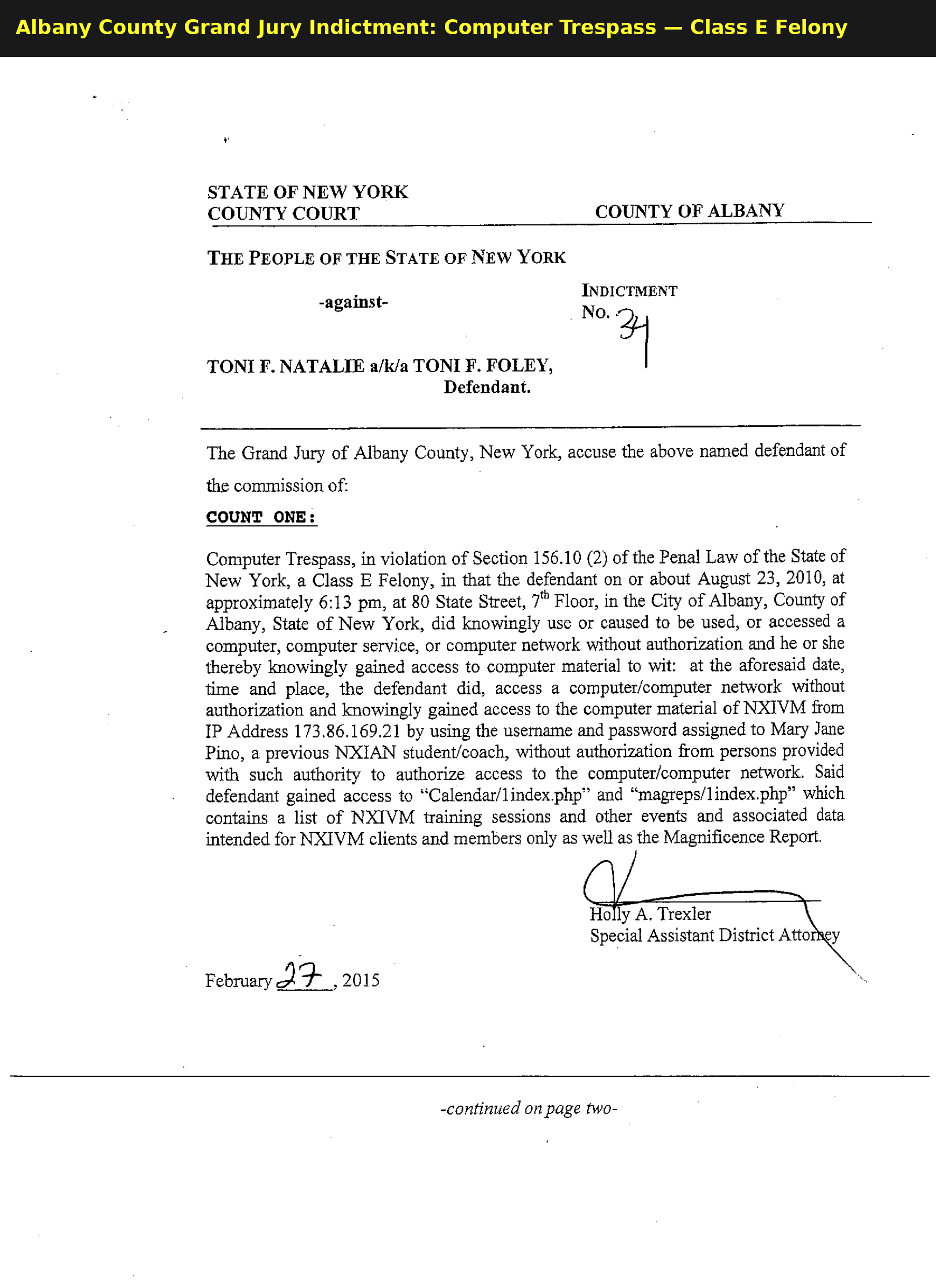
4. The 2015 Albany County grand jury indictment.
A grand jury indictment was returned on February 27, 2015 in Albany County — 7 counts of Computer Trespass under NY Penal Law §156.10(2), a Class E Felony. Three non-media civilians indicted: Toni F. Natalie (4 counts), Barbara J. Bouchey (1 count), Joseph J. O'Hara (2 counts). Earlier in the same investigative line, Times Union blogger John Tighe pleaded guilty to a related computer-hacking charge. (Times Union, Nov. 5, 2014.)
Two of these three indicted individuals — Toni Natalie and Barbara Bouchey — did not disappear after the 2015 indictment. They became star "victims" in the EDNY prosecution: delivered impact statements at Raniere's sentencing, appeared in HBO's The Vow and Starz's Seduced, and served as the media's go-to "former NXIVM" voices. The same people indicted for criminally hacking the defendant's database were retrofitted into "victims" in the federal sex-crime case built off the narrative those hacks helped seed.
6. Trump-relevant context.
Trump currently has an active $10B defamation suit against Dow Jones (WSJ's parent)
Vanity Fair has been in a publicly-known feud with Trump for over three decades
The Albany Times Union has run consistently critical coverage of the Trump administration
Advance Publications (parent of Condé Nast) owns The New Yorker, Vogue, and dozens of outlets currently litigating against the administration